
Understanding Testimonials Video Production
Testimonials video production is a specialized process dedicated to capturing authentic client experiences and transforming them into compelling visual narratives. This method involves recording clients sharing their honest and positive interactions with a product or service, aiming to build trust and credibility among potential customers. Well-crafted testimonials serve as powerful tools within broader marketing strategies by providing social proof that influences purchasing decisions.
By documenting real clients’ stories, businesses can demonstrate the value and reliability of their offerings in a relatable and trustworthy manner. These videos are utilized across multiple platforms—websites, social media, email campaigns—to enhance brand reputation and foster engagement. The process begins with identifying satisfied clients willing to share their experiences, followed by systematic planning to ensure key messages are communicated clearly.
Effective testimonials video production involves a thorough understanding of target audiences and strategic messaging. It’s about more than just recording happy clients; it includes guiding interviews, selecting inspiring stories, and producing videos that resonate emotionally. Authenticity is paramount, as viewers are more likely to trust genuine stories over scripted endorsements. Thus, the meticulous planning and execution of testimonial videos play a critical role in achieving marketing objectives.
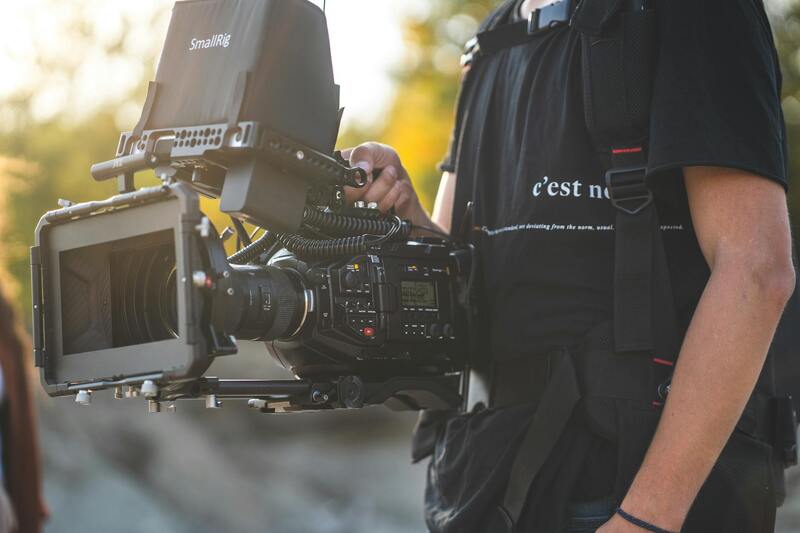
Planning and Script Development
Crafting a compelling testimonials video begins with deliberate planning and meticulous script development. The initial step involves selecting clients whose stories authentically reflect the positive experiences with your brand. These clients should exemplify the core benefits and values that your business offers, ensuring their testimonials resonate with the target audience. Once chosen, the development of a structured script is essential to guide the interview process and maintain a consistent message that aligns with your marketing goals.
A well-crafted script should focus on key points such as the challenge faced by the client, how your services or products provided a solution, and the results achieved. Open-ended questions are often used to encourage clients to share their stories in their own words, fostering authenticity. It is equally important to incorporate prompts that elicit specific details and emotions, which help in creating a compelling narrative that engages viewers emotionally.
During this phase, collaboration with scriptwriters or video producers ensures that the messaging is compelling, clear, and aligned with your overall branding. It’s also beneficial to define the video’s length and style—whether it should be straightforward interview-style footage or a more dynamic, storytelling approach. A clear plan reduces unnecessary shoots and edits, saving time and resources while maximizing the authenticity and effectiveness of the final product.
By dedicating attention to this detailed planning stage, businesses can produce testimonials that accurately reflect client experiences, highlight key value propositions, and evoke the trust necessary for viewers to take action.
Filming Techniques and Best Practices
Executing professional filming techniques is essential to produce high-quality testimonials videos that stand out. The choice of camera angles, lighting, and audio quality all contribute significantly to the video's credibility and viewer engagement. Use natural lighting whenever possible to enhance authenticity, and ensure sound is clear by employing high-quality microphones to avoid background noise or distractions.
Interview settings should be comfortable and visually appealing. A clean, uncluttered background helps keep the focus on the client’s story, while subtle branding elements can reinforce brand identity. Framing should adhere to the rule of thirds, capturing the client’s face with enough headroom to create a visually balanced shot.
Capture a mix of close-up shots and wider perspectives to add visual interest. Encourage clients to speak naturally, maintaining eye contact with the interviewer or camera to foster a more engaging and genuine connection. Using multiple takes allows opportunities for selecting the most authentic and impactful responses during editing.
Best practices include:
- Preparing interview questions in advance to guide the conversation effectively.
- Ensuring a distraction-free environment to maintain focus.
- Monitoring lighting and audio throughout filming.
- Encouraging clients to share specific examples and stories to enrich the testimonial.
Through deliberate application of these filming best practices, businesses can create testimonial videos that exude professionalism while maintaining the genuine, relatable tone that builds trust with prospective clients.
Filming Techniques and Best Practices
Executing high-quality testimonials video production hinges on employing the right filming techniques that enhance authenticity and viewer engagement. It starts with selecting appropriate equipment, such as professional-grade cameras capable of capturing crisp images, and external microphones to ensure clear audio. Proper lighting plays a pivotal role; utilizing three-point lighting or softboxes can eliminate harsh shadows and produce a natural, inviting appearance for interview subjects.
Camera framing is crucial in establishing a connection. Framing the subject according to the rule of thirds ensures a balanced shot that draws viewers' attention to the interviewee's face, expressions, and gestures. Incorporating varied shots, such as close-ups, mid-shots, and wide-angle perspectives, adds visual interest and prevents monotony during editing.
Stability is key; using tripods or gimbals minimizes camera shake, resulting in professional-looking footage. For interviews, maintaining eye contact with the camera fosters intimacy and sincerity. Framing should allow for enough headroom—space above the interviewee's head—so the composition feels natural and unstrained.
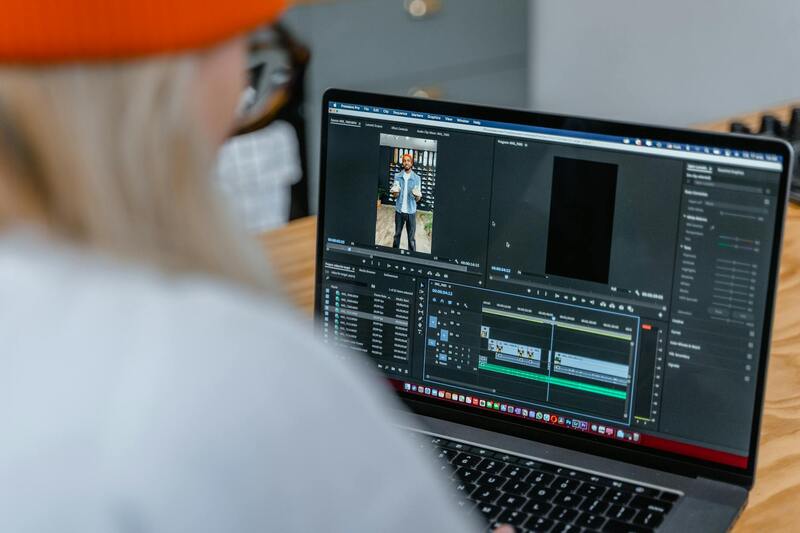
Sound quality is equally important. Employing lapel or shotgun microphones close to the subject captures voices clearly, minimizing ambient noise. Conducting sound checks prior to filming ensures consistent audio levels throughout the session. Encouraging relaxed, natural responses from clients by engaging in comfortable conversation helps elicit genuine stories that authentically reflect their experiences.
In addition to technical considerations, environmental factors influence the quality of testimonial videos. Selecting quiet, well-lit locations with minimal background distractions ensures focus remains on the interviewee. Sometimes, simple backdrops free from clutter can improve the visual clarity and professionalism of the final product.
Using multiple takes offers options during editing to select the most compelling responses, allowing for seamless integration of natural storytelling styles. Establishing rapport with clients before filming encourages openness and sincerity, resulting in testimonials that truly connect with viewers and reinforce trust.
Understanding Testimonials Video Production
Effective testimonials are crafted through a meticulous production process that emphasizes authenticity, clarity, and emotional connection. This process begins with strategic planning and a clear understanding of the message the client wishes to convey. Careful pre-production arrangements involve selecting appropriate locations, preparing interview questions that prompt genuine stories, and establishing rapport with interviewees to ensure natural responses. These foundational steps set the stage for capturing compelling footage that reflects real client experiences.
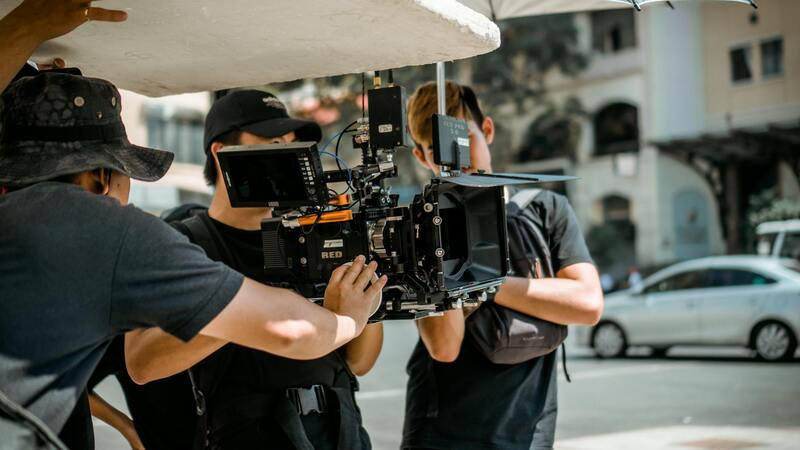
During production, the focus transitions to technical precision and visual storytelling. Equipment choices such as high-resolution cameras, stabilized rigs, and quality audio devices allow for capturing crisp visuals and clear sound. Proper lighting setups, whether natural or artificial, are employed to highlight facial expressions and create a welcoming ambiance. Framing techniques ensure the interviewee remains the focal point, utilizing rule-of-thirds principles and headroom considerations to produce visually balanced shots.
An essential element of production is capturing genuine reactions. Encouraging clients to speak openly and naturally is facilitated by creating a relaxed environment. This approach results in emotionally resonant testimonials that connect with viewers on a personal level. Utilizing multiple camera angles and takes offers versatility for editing, providing options to illustrate key points or emotional peaks more vividly.
Understanding Testimonials Video Production
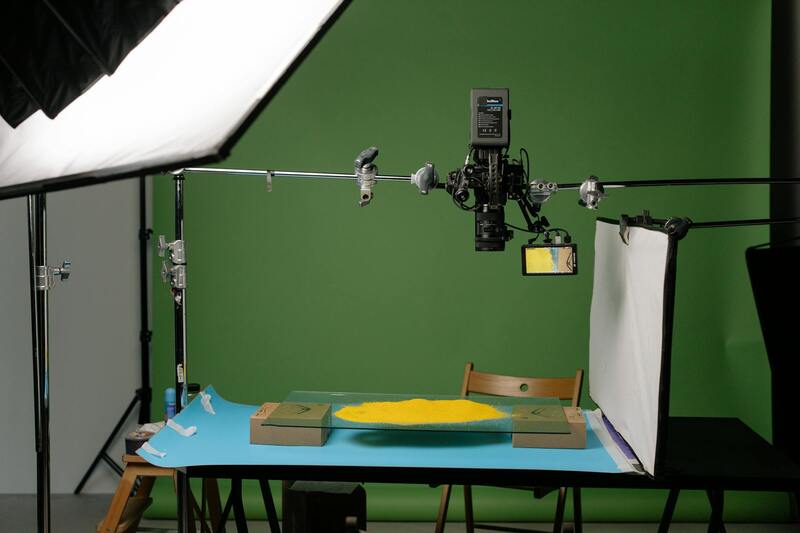
Testimonials video production is a strategic process that involves capturing authentic client experiences and translating them into compelling visual narratives. The objective is to showcase real people sharing genuine stories that reflect the value and credibility of a product or service. This process begins with meticulous planning, including identifying the right clients who can exemplify positive interactions and outcomes. Filming environments are carefully selected to ensure an optimal backdrop—quiet, well-lit, and free from distractions—to maintain focus on the speaker’s message. Proper equipment, such as high-definition cameras, lapel microphones, and even portable lighting setups, are essential to produce clear and engaging footage.
Developing a solid narrative framework is fundamental. This entails preparing interview questions that elicit candid responses while aligning with the brand’s message. The script should outline key points but remain flexible enough to allow natural storytelling. During filming, multiple takes may be necessary to capture the most sincere and impactful moments. Employing professional techniques such as close-ups during emotionally charged segments or medium shots to provide context helps in creating a visually dynamic piece. Additionally, controlling environmental factors—such as background noise and lighting conditions—ensures the final product has a polished and professional appearance.
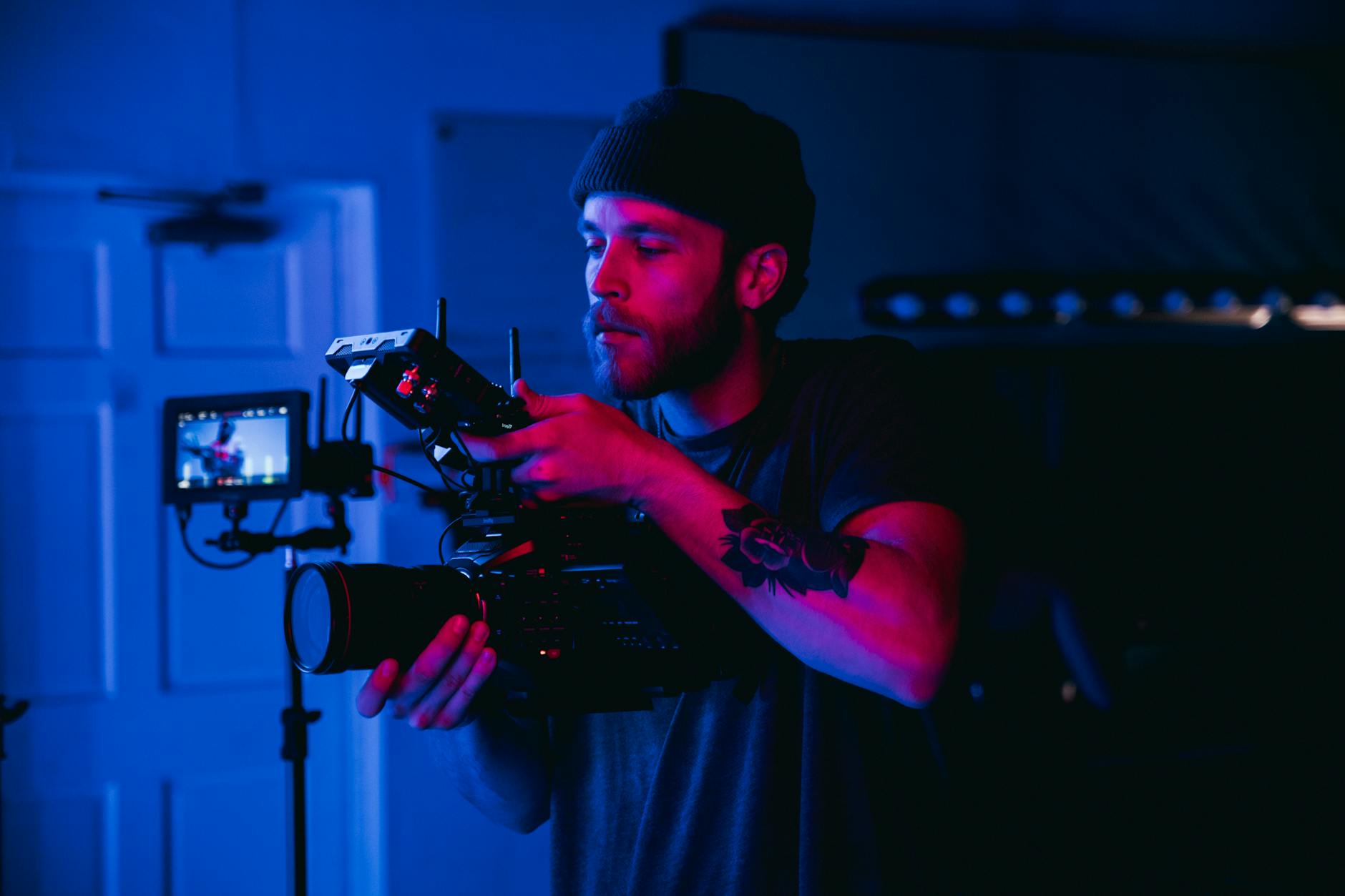
The importance of deliberate shot composition and consistent audio levels cannot be overstated. Well-coordinated filming sessions, supplemented with b-roll footage or cutaways, add depth and context to the testimonial, making it more engaging. The final content should seamlessly blend visual storytelling with emotive audio, maximizing impact and viewer engagement.
Filming Techniques and Best Practices
Effective testimonials video production hinges on a combination of technical skill and a genuine connection with the interviewee. Positioning the camera at eye level fosters intimacy, while maintaining eye contact with the subject during filming helps convey authenticity. Utilizing natural light where possible, or employing reflectors and diffusers, enhances facial features and creates a welcoming atmosphere. Clear audio is paramount; therefore, using professional-grade microphones positioned close to the speaker minimizes background noise and ensures brand messages are conveyed clearly.
During the shoot, encouraging interviewees to speak naturally and share specific details can lead to more relatable and compelling content. Recording multiple takes gives editors options for selecting the most impactful moments. Applying techniques such as framing rule of thirds, maintaining appropriate shot sizes, and ensuring consistent background settings contribute to a cohesive final product. Incorporating visual cues like gestures or facial expressions can heighten emotional resonance.
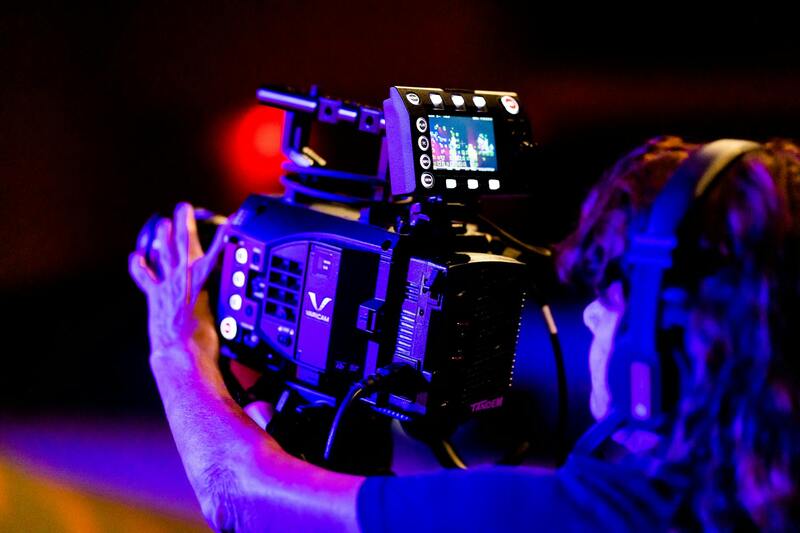
Post-film, the editing process refines raw footage into a seamless presentation. Cutting unnecessary sections, enhancing audio clarity, and integrating relevant supporting visuals or graphics are crucial steps. Subtitles or captions improve accessibility and allow viewers to follow along in noisy or muted environments. Color grading and sound balancing further ensure the testimonial aligns with branding standards and evokes the intended emotional response. Strategic use of background music, if appropriate, can subtly underscore key messages without overpowering the speaker’s voice.
Overall, structured filming and post-production practices are vital components in delivering testimonials that are both authentic and professionally executed. Their effectiveness hinges on the ability to tell compelling stories that resonate with viewers, establish trust, and reinforce brand credibility.
Legal and Ethical Considerations
Producing testimonial videos demands careful attention to uphold integrity and transparency. It is essential to obtain explicit permission from participants before capturing and sharing their stories. This includes securing clear authorization regarding how the footage will be used, distributed, and stored, ensuring that stakeholders are fully aware of the scope of the project. Compliance with industry standards involves documenting consent forms that specify the intended use, which helps prevent misunderstandings or misuse of footage.
Transparency in the testimonial process extends to accurately representing the experiences shared. This means editing should not distort the authenticity of the interviewees' messages; rather, it should accurately reflect their viewpoints without manipulation or misrepresentation. If any edits are made to improve clarity or flow, these should be minor and not alter the substance of the testimonials.
Additionally, it is vital to verify the truthfulness of the claims made within the testimonials. Ensuring that all statements align with real customer experiences safeguards your credibility and maintains the trust of your audience. Incorporating disclaimers or clarifications can further clarify that the testimonials are genuine accounts, especially when sensitive issues or specific claims are involved.
Maintaining ethical standards also involves respecting participant privacy and cultural sensitivities. This includes understanding and honoring any limitations or preferences they may have concerning the presentation of their stories. Inclusivity and diversity should be reflected thoughtfully throughout the production process to foster positive engagement and broader reach.
In summary, adherence to lawful and ethical practices in testimonials video production not only protects your organization but also enhances the credibility and impact of the shared stories. Engaging with honest, well-consented participants creates authentic content that resonates more deeply with viewers, ultimately leading to more meaningful connections with your brand.
Understanding Testimonials Video Production
Creating effective testimonials videos requires a structured approach that emphasizes authenticity, clarity, and engagement. The production process begins with comprehensive planning to identify the most impactful stories from satisfied clients. This involves selecting participants whose experiences genuinely reflect your brand’s strengths and values, and ensuring they understand the purpose of the video. A well-developed script helps guide the narrative, focusing on key messages and common pain points that your target audience can relate to. It’s essential to craft questions that encourage detailed, vivid responses, offering viewers a clear insight into the client’s journey and satisfaction.
During the pre-production phase, location scouting plays a significant role. Opting for settings that complement the story and reinforce credibility enhances the authenticity of the content. Additionally, selecting appropriate lighting, sound equipment, and camera angles ensures the final product appears polished yet natural. Building rapport with interviewees is further critical; comfortable participants are more likely to share genuine stories and emotions, which resonate more effectively with viewers.
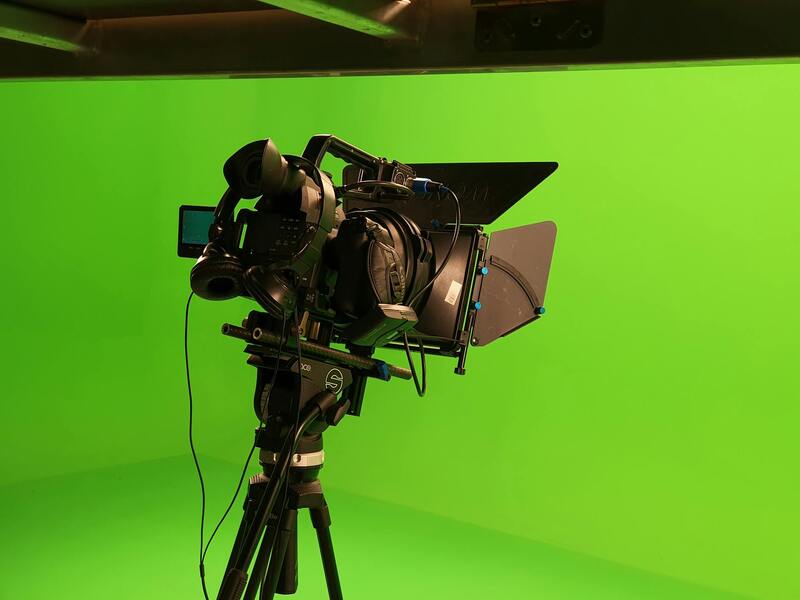
Throughout the production, attention to detail about framing, background, and ambient noise contributes to the overall quality. Using close-ups can capture emotion, while wider shots provide context within the setting. Consistent audio quality is equally crucial, as poor sound can distract viewers and diminish the message’s impact. The filming process should also include multiple takes of key segments to ensure options for editing, allowing for seamless transitions and coherence in the final product.
Post-production involves meticulous editing to highlight the most compelling parts of each testimonial. Color correction and sound adjustments enhance visual appeal while maintaining a natural look. Incorporating branding elements subtly—such as logos or slogan overlays—can reinforce brand recognition without overpowering the narrative. Music selection should complement the tone, evoking appropriate emotional responses without overwhelming the spoken words. The goal is to produce an engaging, authentic piece that faithfully conveys the client’s story, fostering trust and credibility among viewers.
Legal and Ethical Considerations in Testimonials Video Production
Ensuring that testimonial videos adhere to established practices requires meticulous attention to consent, authenticity, and transparency. Securing explicit permission from interviewees before filming ensures their stories and likenesses are used with approval, fostering trust and upholding integrity throughout the production process. It is vital to document consent clearly, ideally through signed releases, which specify how the footage will be used, distributed, and the duration of its application.
Authentic storytelling is at the heart of impactful testimonials, and maintaining honesty about the client’s experiences is essential. Misrepresenting or exaggerating claims can undermine credibility and damage brand reputation. Therefore, framing testimonials in a way that accurately reflects the interviewee's genuine experience without manipulation or embellishment preserves authenticity and builds long-term trust with viewers.
Transparency extends to disclosing any significant editing or post-production adjustments. If particular segments are modified or arranged for narrative clarity, it’s advisable to communicate this either within the video or through accompanying disclosures. This openness reassures audiences that the content they are viewing is a faithful depiction of the client’s story.
Additionally, to comply with industry standards and boost credibility, it is essential to avoid selective editing that alters the core message or context of the testimonial. Doing so not only aligns with best practices but also enhances the trust viewers place in the content. When properly managed, these ethical considerations foster a positive reputation and demonstrate a commitment to honesty and professionalism.
Monitoring the usage of testimonial videos across different channels can help ensure ongoing compliance with agreed-upon terms. Regular audits of where and how the videos are displayed prevent unauthorized reuse or alterations. Implementing strict access controls and usage guidelines for internal teams and external partners further safeguards the integrity of the content.
Finally, respecting privacy rights involves handling sensitive information with care. If a testimonial contains personal or proprietary details, securing explicit clearance for that information avoids potential conflicts. Properly managing privacy not only protects the client but also reinforces the ethical standards upheld during production.