
Understanding the Purpose of Interview Filming
Filming interviews has become an essential component of modern content creation, serving as a powerful tool for storytelling, branding, and audience engagement. When executed correctly, the process captures authentic insights, personal stories, and expert opinions that resonate deeply with viewers. This form of visual communication not only humanizes your message but also builds credibility and trust with your target audience.
A well-produced interview video enhances the narrative by providing context and emotional connection that text-based content often cannot deliver. Whether for corporate branding, educational purposes, or promotional campaigns, interview footage adds a layer of professionalism and authenticity that elevates the overall quality of your content strategy.
Furthermore, interview filming supports marketing efforts by creating versatile assets that can be repurposed across multiple platforms. Clips can be used in social media snippets, embedded within websites, or included in larger multimedia presentations. This multi-channel approach ensures the message reaches a broader audience while reinforcing consistent branding and messaging.
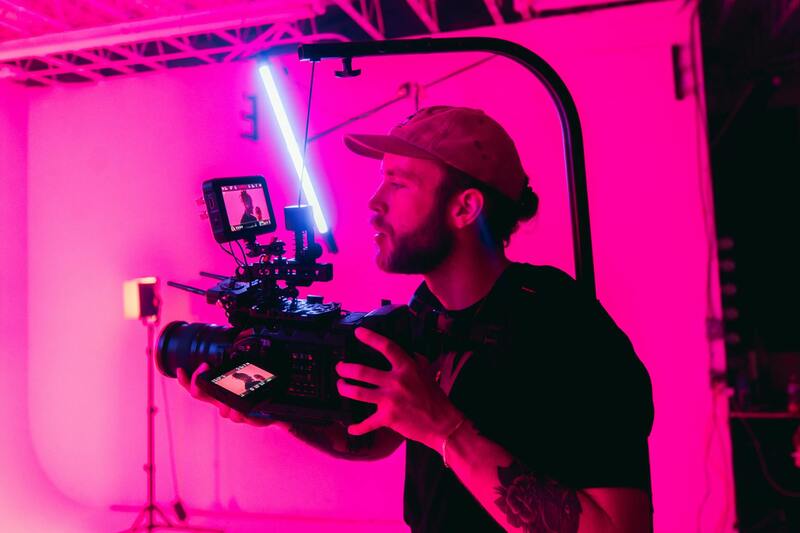
Effective interview filming requires building a clear understanding of its objectives, the target audience, and the message to be conveyed. This foundational knowledge guides the selection of interview subjects, questions, and the overall filming style to ensure alignment with strategic goals.
Beyond content creation, interview footage also serves as a valuable resource for training, internal communications, and stakeholder updates. High-quality recordings preserve valuable insights and expert opinions, making them accessible for future reference and continuous engagement.
In summary, capturing interviews on film is a strategic investment that brings authenticity, depth, and versatility to your content portfolio. When approached with professionalism and clarity of purpose, interview filming becomes a vital tool for storytelling, branding, and audience connection in diverse media landscapes.
Choosing the Right Equipment for Interview Filming
To ensure a professional and polished appearance, selecting the appropriate equipment is a fundamental step in interview filming. The quality of the visuals and audio directly impacts viewer engagement and the overall credibility of the content. Key equipment considerations include cameras, microphones, lighting, and accessories that facilitate smooth operation and high-quality output.
When selecting cameras, it's essential to opt for models capable of capturing high-resolution footage, ideally in 4K, to achieve clarity and detail. DSLRs or mirrorless cameras with interchangeable lenses provide versatility and superior image quality. Additionally, using cameras that offer manual settings allows for better control over exposure, focus, and depth of field, which is crucial in creating a visually appealing interview setting.
Audio quality is equally important. External microphones such as lavalier (lapel) mics, shotgun microphones, or wireless systems are recommended to capture clear and direct sound, minimizing background noise. Good audio ensures the interviewer and interviewee's voices are easily discernible, fostering better viewer comprehension and engagement.
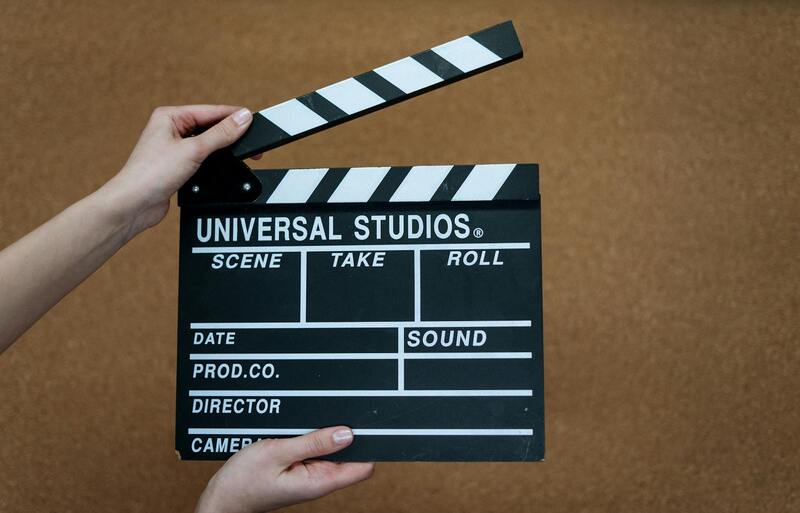
Lighting setups play a critical role in producing flattering, well-lit images. Portable LED panels or softboxes help to evenly illuminate the subject and avoid harsh shadows. Proper lighting enhances skin tones and provides depth, making the interview visually engaging. For mobility and flexibility, battery-powered lighting options are often preferred, especially when filming on location.
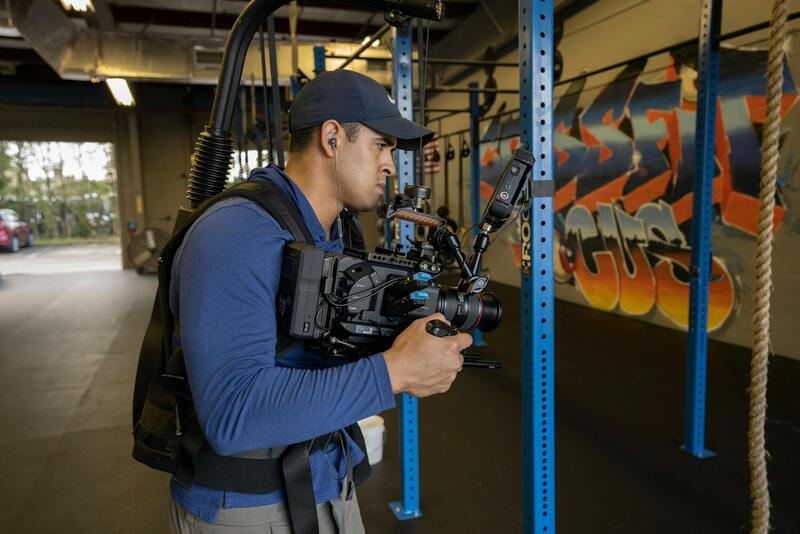
Accessories, such as stabilizers, tripods, and reflectors, contribute to a steady shot and balanced lighting conditions. A sturdy tripod ensures stable framing, while reflectors can bounce light to fill shadows naturally. Additional tools like backup batteries, memory cards, and cables are vital to prevent disruptions during filming.
Investing in quality equipment tailored to the specific demands of interview filming ensures the production process is smooth, efficient, and capable of delivering content that meets high standards of professionalism. This foundation supports every stage of filming, from setup to final footage review, enabling creators to produce compelling, polished interviews that resonate with audiences.
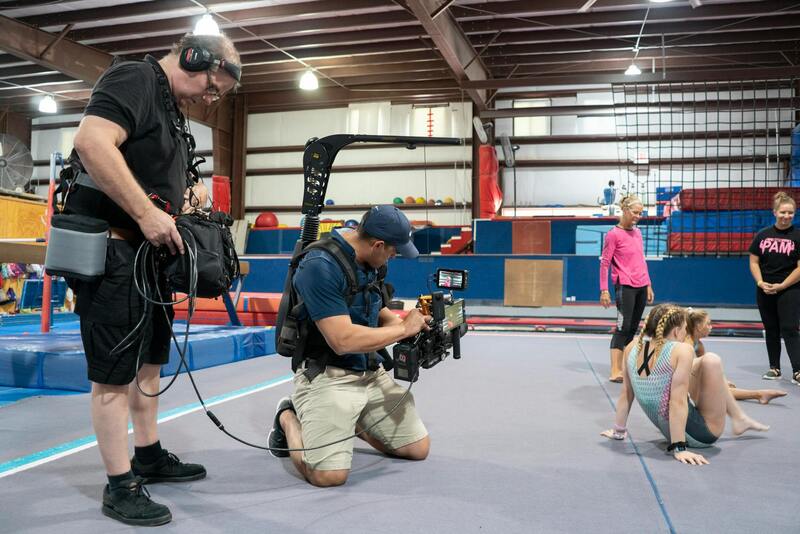
Ultimately, the goal is to assemble a well-rounded kit that caters to the environment, subject, and intended distribution channels. Proper equipment selection is a strategic step that influences the clarity, authenticity, and overall impact of the interview footage, underscoring its role as a crucial element in professional video production.
Understanding the Importance of Proper Framing and Composition
When planning to film an interview, careful attention to framing and composition ensures the subject is presented in the most professional and engaging manner. Proper framing directs viewers’ focus to the interviewee, highlighting facial expressions and gestures that add depth to the conversation. Typically, a medium close-up shot, which captures the subject from the chest up, offers a balanced view that emphasizes facial cues while including enough background context to enrich the visual narrative.
In addition to selecting an appropriate shot size, adhering to the rule of thirds enhances visual interest and compositional balance. Placing the subject's eyes along the upper third line of the frame helps create an aesthetically pleasing image and guides viewers' attention naturally. For interviews, maintaining eye contact with the camera can foster a sense of connection and authenticity, making the content more compelling.

Controlling Background and Minimizing Distractions
A clean, uncluttered background ensures the focus remains on the interviewee, avoiding visual distractions that could detract from the message. When selecting a location, aim for a setting that complements the tone of the interview—neutral tones, minimal movement, and controlled lighting help achieve this goal. A well-considered backdrop, such as a plain wall or an environment aligned with the interview topic, enhances visual coherence and professionalism.
To further control the visual environment, use background blurring techniques or shallow depth of field, which isolates the subject from the background and adds a polished look. Eliminating background noise and ensuring consistent lighting across the scene also contribute to a high-quality result that effectively communicates the intended message.
Ensuring Consistent Audio Quality
High-quality audio is essential for engaging interview content. Choosing the right microphone type—lavaliers, shotguns, or desktop mics—depends on the interview context. Lavalier microphones, clipped onto the subject, provide clear audio while allowing freedom of movement. Directional shotgun microphones can be mounted on a camera or boom pole to isolate sound from the interviewee and minimize ambient noise.
Consistent audio levels are critical; thus, proper placement and testing of microphones before filming can prevent issues such as muffling or uneven sound. Ambient noise should be minimized by selecting quiet locations or employing noise reduction tools during post-production. When multiple microphones are used, syncing audio tracks accurately ensures seamless editing and maintains narrative clarity.
Monitoring and Adjusting During the Filming Process
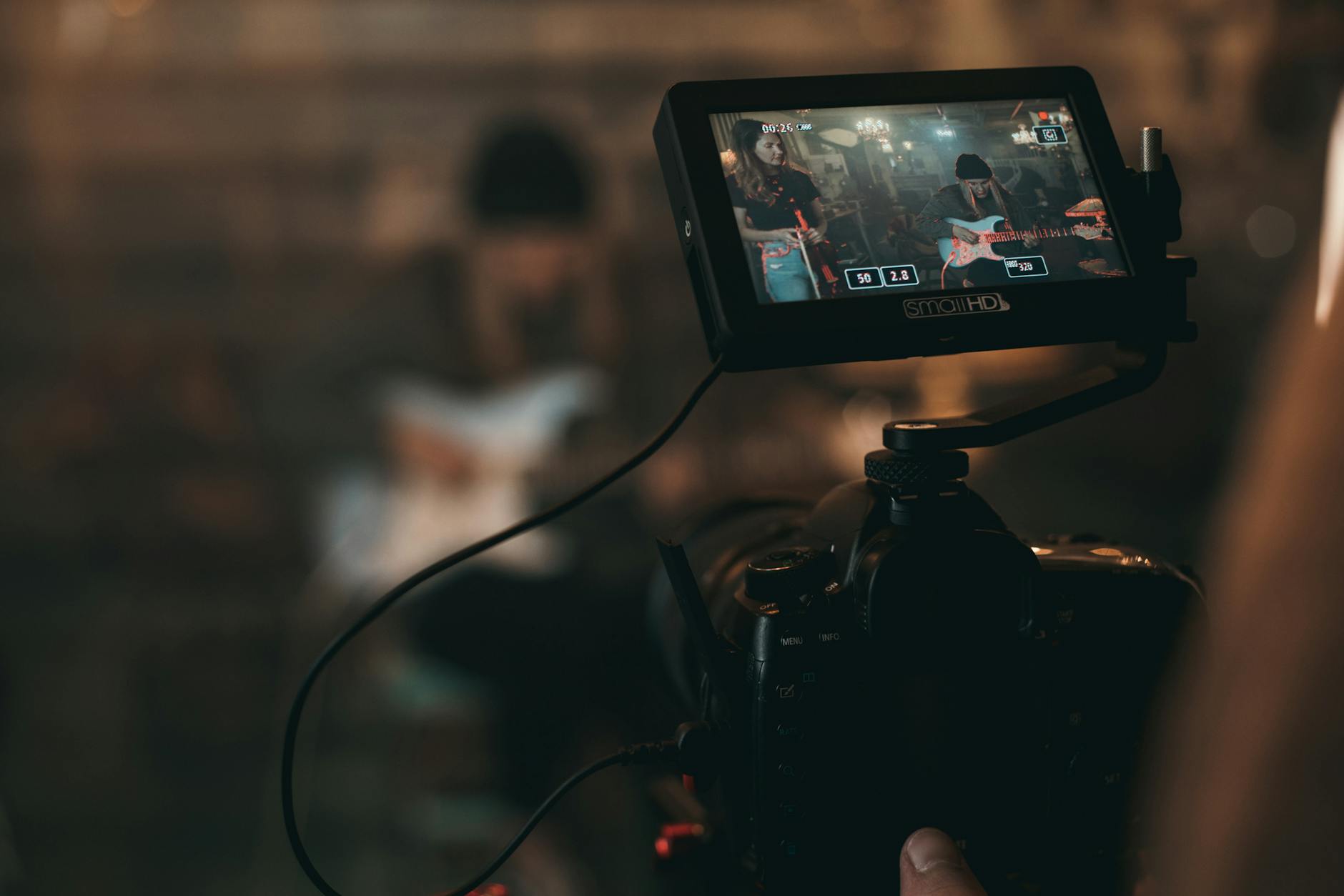
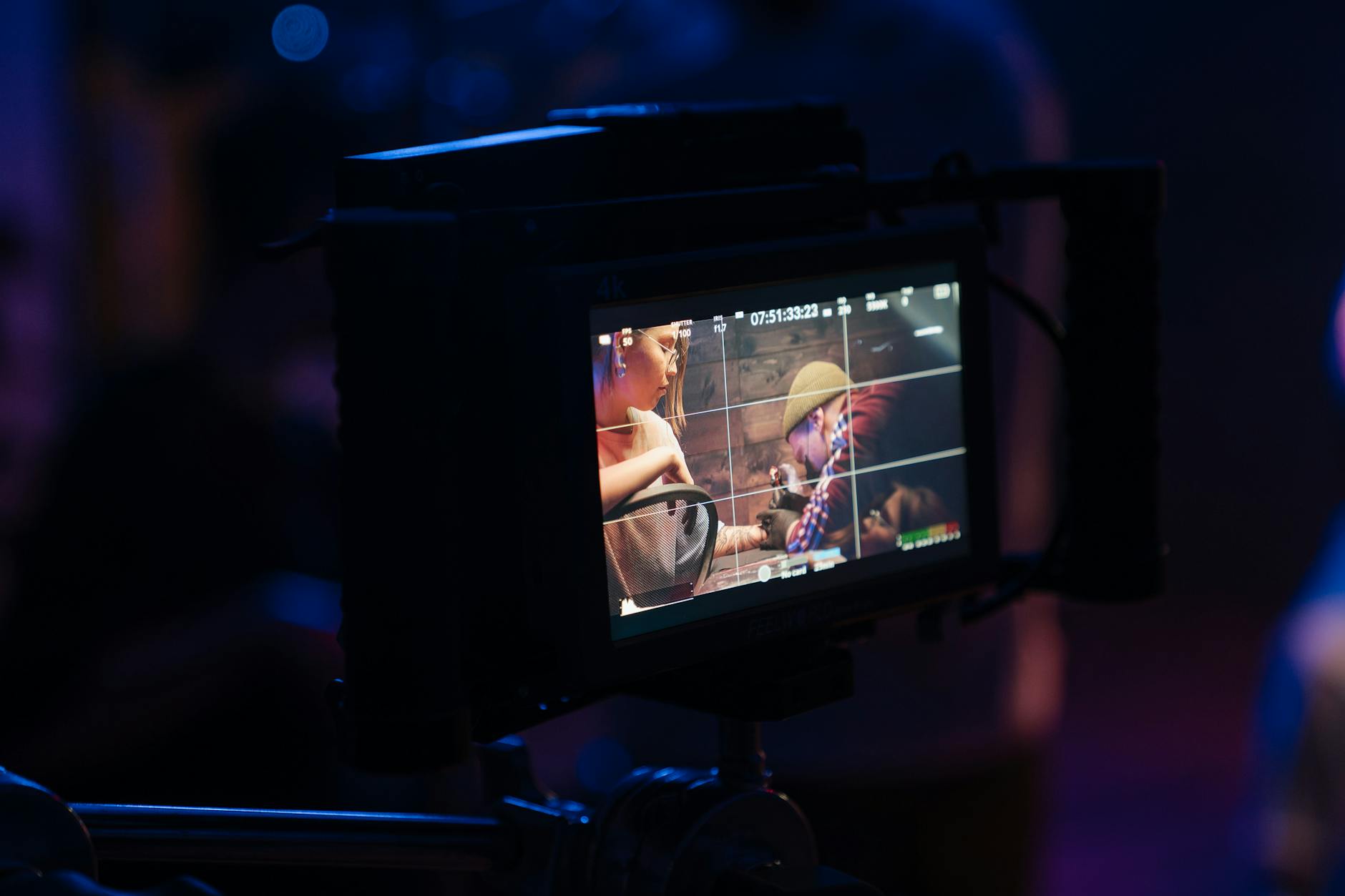
Real-time monitoring of both video and audio feeds allows filmmakers to identify issues immediately, ensuring high-quality footage. Using external monitors connected to the camera provides a larger view of framing, color balance, and exposure, facilitating on-the-spot adjustments. Simultaneously, audio check monitors can help detect background noise or levels that are too low or too high.
Continuously reviewing footage as it is recorded helps confirm that lighting remains consistent, framing is correct, and the audio is clear. Making small, incremental adjustments during filming minimizes the need for extensive edits later and guarantees that the final product meets professional standards.
Implementing Effective Post-Production Techniques
After filming, editing plays a critical role in refining interview content. Color correction can enhance visual appeal, ensuring consistent skin tones and balanced lighting throughout the footage. Sound editing includes cleaning background noise, equalizing levels, and adding music or graphics to support the narrative.
Using professional editing software allows for precise cuts, synchronization of audio and video, and the addition of visual elements such as lower thirds or captions. These enhancements improve viewer engagement and communication clarity, ultimately elevating the overall quality of the interview.
Ensuring Officiated and Methodical Filming Practices
Executing a professional interview requires adherence to delineated procedures that emphasize both efficiency and quality. Official filming methods prioritize precision in capturing high-resolution visuals and superior audio fidelity, ensuring the interview content is compelling and credible. This process begins with comprehensive planning, where a detailed shot list and interview outline are established to streamline the filming session.
Employing structured workflows, such as setting up a checklist for equipment readiness and verifying all gear functions properly before the shoot, avoids technical disruptions during filming. Meticulous scene setup involves confirming the camera angles, establishing appropriate framing, and ensuring consistent lighting, which collectively contribute to a cohesive visual presentation. Simultaneously, verifying sound equipment—such as microphone placement and levels—is integral to avoid post-production corrections that could compromise the interview’s authenticity.
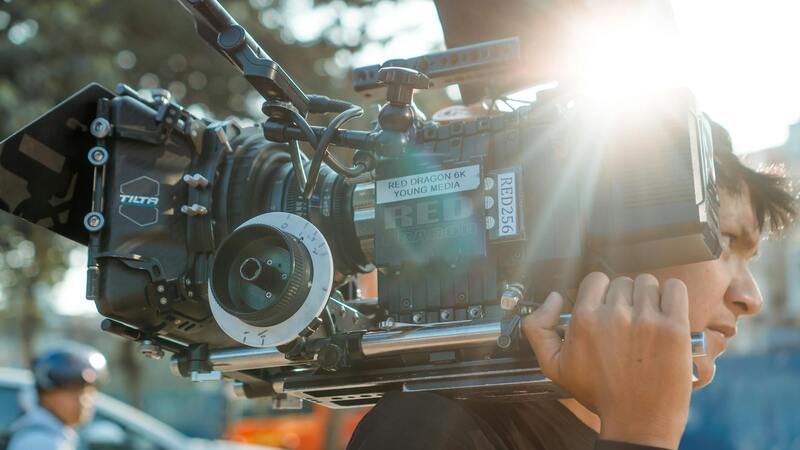
During filming, methodical execution encompasses real-time quality checks and systematic recording practices. Using calibrated equipment and adhering to predetermined shot sequences minimizes the risk of inconsistent footage. Recording multiple takes and capturing B-roll footage offer additional options during editing, enhancing the interview's visual richness and contextual depth.
Furthermore, maintaining a professional environment involves clear communication with interviewees, guiding them on best practices such as maintaining eye contact with the camera, regulating movement, and speaking clearly. This approach ensures the interviewee’s responses are captured effectively, reducing the necessity for reshoots and facilitating a smoother post-production workflow.
Implementing Proven Techniques for Filming Interviews
- Use of Tripods and Stabilization Devices: Stability is crucial for avoiding shaky footage. Tripods, monopods, and gimbal stabilizers provide a steady platform for cameras, ensuring consistent framing and reducing viewer distraction.
- Optimizing Lighting Configurations: Appropriate lighting setups—such as three-point or diffuse lighting—illuminate the subject evenly and minimize shadows. This enhances facial features and conveys a professional aesthetic.
- Audio Calibration and Monitoring: External microphones like lavalier, shotgun, or handheld mics should be positioned carefully to capture clear speech. Real-time audio monitoring detects issues immediately, preventing the need for re-recording.
- Secure and Controlled Environment: Choosing an environment with controlled acoustics, minimal background interference, and appropriate acoustical treatments improves overall sound quality and visual clarity.
- Backup Recording Processes: Utilizing dual-recording devices or redundant storage options safeguards footage against data loss, ensuring the integrity of the interview content.
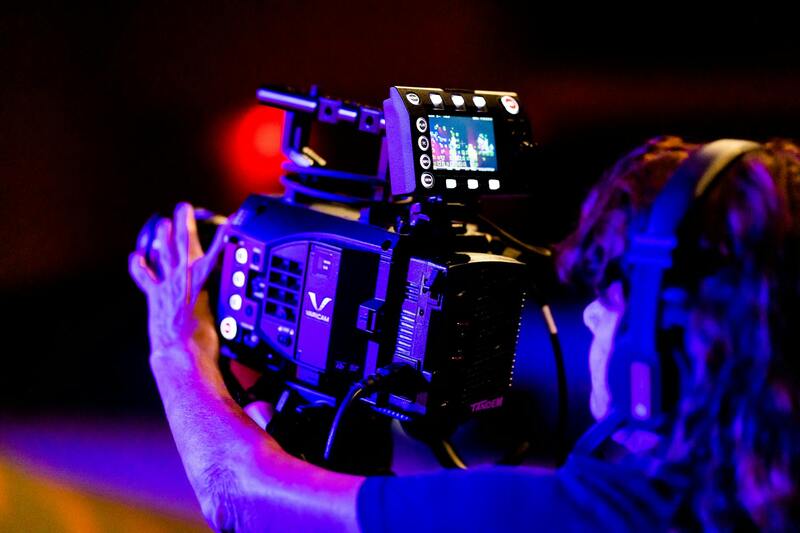
Adhering to these systematic practices during the filming process not only elevates the technical quality of the interview but also enriches the overall narrative delivery. Organizations and professionals committed to official filming uphold these standards to meet the highest expectations of visual and audio excellence, ultimately producing content that resonates with authenticity and authority.
Setting Up the Perfect Filming Environment
Creating an optimal environment for interview filming involves more than just choosing a quiet location. It requires deliberate attention to technical and aesthetic details that directly impact the footage quality and viewer engagement. A well-considered setting ensures that the interviewee appears confident and credible while minimizing background distractions that could detract from the message being conveyed. Selecting an environment with controlled acoustics is paramount; rooms with soft surfaces such as curtains, carpets, and upholstered furniture help absorb sound and reduce echo, leading to clearer audio recordings. Additionally, careful placement of the interview subject away from reflective surfaces or busy backgrounds prevents unwanted visual distractions.
Lighting is equally critical. Implementing three-point lighting setups—comprising key, fill, and back lights—creates a balanced lighting scheme that highlights facial features naturally and adds depth to the scene. Diffuse lighting options, such as softboxes or ring lights, help eliminate harsh shadows and provide an even illumination that flatters the interviewee. Using consistent and color-balanced lighting ensures the subject stands out sharply against the background, facilitating easier post-production editing.
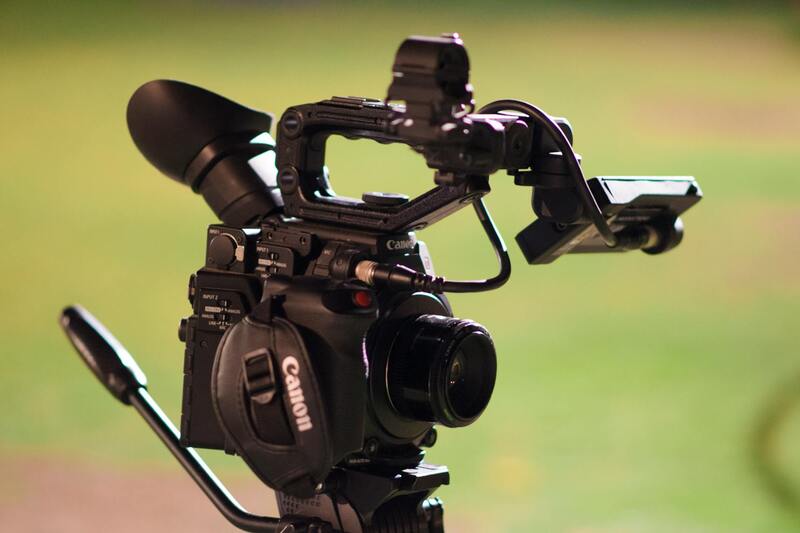
Beyond lighting and acoustics, environment management includes controlling noise levels and minimizing potential interruptions. Informing all involved parties about the filming schedule and securing the location helps maintain a focused atmosphere. Additionally, arranging furniture and background items thoughtfully avoids clutter that might detract from the main subject. Strategic placement of visual elements and thoughtful composition contribute to a cohesive scene that aligns with the intended tone and message of the interview.
Finally, ensuring proper camera positioning is essential. Cameras should be placed at eye level to foster a sense of connection and authenticity. Multiple camera setups—such as wide, medium, and close-up shots—offer versatility during editing and help maintain viewer interest. Tight framing on the interviewee’s face captures nuanced expressions, whereas wider shots establish context within the environment. Incorporating these best practices during setup profoundly impacts the professionalism of the final content and reinforces the credibility of the interview.
Ensuring Filming Legitimacy Through Proper Methods
Achieving high-quality interview footage that resonates with viewers and fulfills professional standards requires adherence to established, legitimate filming techniques. These methods ensure that the final product not only looks polished but also maintains consistency, clarity, and integrity throughout the production process.
First and foremost, securing the right permits and approvals for filming in designated locations is essential. This involves coordinating with property owners or relevant authorities to gain access and avoid disruptions during the shoot. Formal communication and documentation help elevate the legitimacy of the filming process, demonstrating respect for regulations and shared spaces.
Negotiating and drafting clear agreements with talent, crew, and location providers is equally important. These documents outline responsibilities, usage rights, and confidentiality clauses, safeguarding the interests of all parties involved. Such official agreements prevent misunderstandings and establish a professional framework conducive to smooth production workflows.
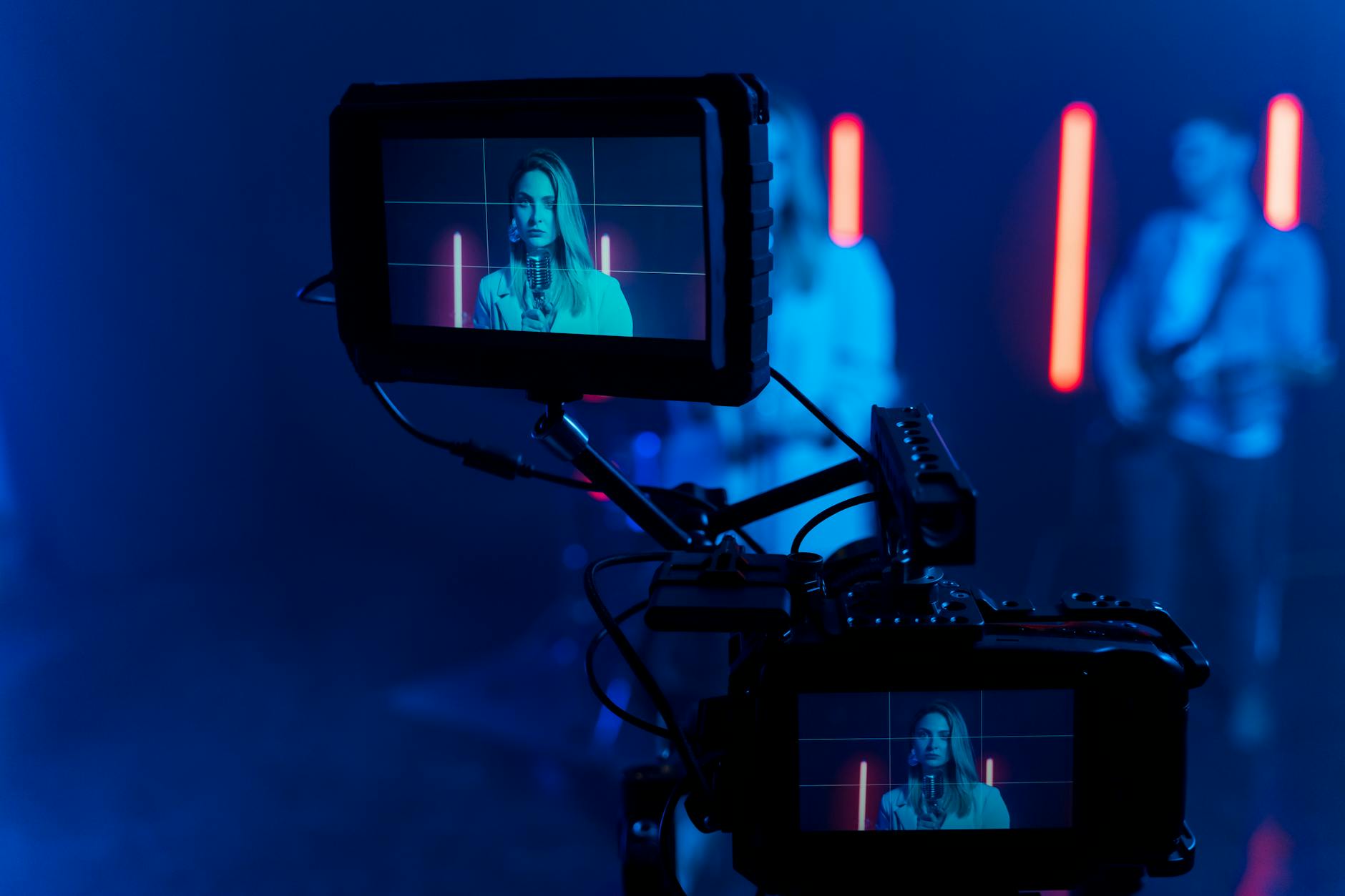
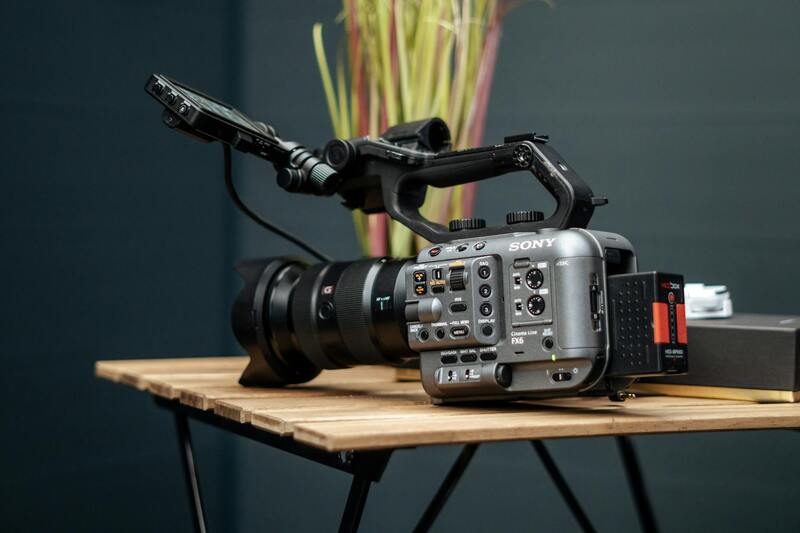
Investing in quality equipment—such as certified cameras, professional lighting, and sound gear—serves as a mark of commitment to producing credible, impactful content. Utilizing established brands and standard accessories reduces the risk of technical issues, enhances production value, and assures stakeholders of the project’s integrity.
When setting up, adopting a structured approach to environment management, including soundproofing and lighting calibration, is crucial. This not only improves the technical quality but also reinforces a professional image. Conducting test recordings and reviewing footage helps identify and resolve potential issues proactively, ensuring the final material meets the highest standards.
During the filming process, employing official and recommended filming practices—such as maintaining proper framing, consistent lighting, and synchronized audio capture—contributes significantly to the authenticity and reliability of the content. Multiple camera angles—wide, medium, and close-up shots—are strategically positioned based on well-established rules of composition, ensuring that footage is comprehensive and engaging.
Post-production editing further exemplifies legitimate workflow practices. Using reputable editing platforms and adhering to standard procedures for color correction, audio leveling, and visual enhancements guarantees the integrity and clarity of the final product. When graphics or captions are added, they are created and integrated following professional guidelines to support storytelling and viewer comprehension.
Finally, distributing interview content through official channels—such as monitored websites or authorized media outlets—ensures the content is presented in a controlled, reputable manner. Employing proper metadata and indexing practices facilitates discoverability while safeguarding the material’s provenance and value.
Implementing these professional methods throughout the filming and distribution process solidifies the credibility of interview content. This diligent approach emphasizes commitment to quality and authenticity, effectively strengthening the integrity and impact of the final deliverables.
Effective Strategies for Authentic Interview Filming and Distribution
Ensuring Content Security and Proper Attribution
One of the fundamental aspects of professional interview filming involves establishing secure methods for content handling and distribution. This includes using trusted storage solutions and maintaining detailed documentation of the footage's origin, editing processes, and distribution channels. By implementing secure access controls, organizations can prevent unauthorized modifications or dissemination of interview materials, thereby preserving their integrity and authenticity.
In addition, applying precise attribution practices—such as embedding standardized metadata and clear identifying information—helps verify the content's source. This not only enhances the credibility of the material but also ensures that stakeholders can accurately trace the interview’s provenance. Proper attribution also supports subsequent usage rights management, making it easier to control how the content is shared and presented across different platforms.
Utilizing Authorized Platforms for Content Distribution
Distribution channels play a pivotal role in the dissemination of interview content, with official platforms serving to uphold content integrity and reach targeted audiences effectively. Authorized websites, such as corporate portals, educational institutions, or government repositories, provide controlled environments that facilitate proper indexing and discoverability. By leveraging these channels, content creators can ensure their interviews reach relevant viewers while maintaining clear oversight of how the material is presented.
Pinpointing suitable distribution outlets involves assessing their technical standards, audience reach, and content management policies. Employing strict moderation practices and adhering to platform-specific guidelines safeguard the material from misrepresentation or unauthorized editing. Furthermore, embedding relevant metadata and descriptive tags within the uploaded content enhances discoverability, improves search engine optimization, and ensures that viewers access the most accurate versions of the interview.
Employing Metadata and Archival Standards
Metadata plays an essential role in annotating interview content with relevant contextual information, such as date, location, interviewee details, and purpose. Accurate and comprehensive metadata facilitates efficient retrieval, management, and verification of the footage during and after distribution. Utilizing standardized archival practices ensures the longevity of the content in well-maintained repositories, enabling future access and referencing while preserving its original quality.
Professionally generated metadata supports compliance with organizational policies and helps track usage metrics. It also assists content dispersers in maintaining the chronological and thematic integrity of the interview material, which is crucial for editorial consistency and authority.
Applying Ethical and Transparent Usage Policies
Clear usage policies and consent documentation are fundamental in managing how interview footage is utilized. These policies define permitted uses, distribution rights, and privacy considerations, thereby fostering transparency between content creators and viewers. Having formal agreements or written consent from interviewees ensures that all parties acknowledge and approve of the intended use, which reinforces trustworthiness.
Adhering to established guidelines for content dissemination demonstrates a commitment to ethical standards and responsible journalism. It also minimizes potential misunderstandings or disputes related to content rights or misrepresentation. Ensuring that all distribution practices align with these documented policies promotes a professional workflow that upholds the credibility and official status of the interview content.
Implementing Proper Content Distribution Channels
To ensure the interview footage reaches the intended audience effectively, selecting appropriate distribution channels is crucial. Reputable platforms such as official websites, authorized streaming services, and institutional archives offer secure and organized methods for sharing content. These channels not only protect the integrity of the footage but also enable structured access for viewers, researchers, or stakeholders.
Distributing interviews through controlled environments minimizes unauthorized duplication or misuse. Utilizing secure hosting solutions with access controls, such as password protection or user authentication, ensures that sensitive content remains within authorized circles. Additionally, deploying digital rights management (DRM) technologies can further safeguard the footage against unauthorized distribution, preserving its official status.
Archiving and Long-term Preservation of Interview Content
Effective archiving practices guarantee that interview footage remains accessible for future reference and analysis. Choosing standardized file formats, such as MP4 or MOV, facilitates compatibility across various viewing platforms and editing tools. Implementing comprehensive metadata schemas enhances searchability, contextual understanding, and organization of the content.
Proper storage solutions include robust digital repositories with redundancy measures, such as multiple backup copies stored in geographically dispersed locations. This approach mitigates risks associated with hardware failure, cyber threats, or natural disasters. Periodic audits and format migrations are recommended to ensure ongoing accessibility, maintaining the content’s quality and usefulness over time.
Auditing and Verifying Content Usage
Regular audits of the distribution and usage of interview footage help verify that it is utilized in accordance with predefined guidelines and policies. Implementing tracking mechanisms, such as access logs or digital watermarking, enables detailed monitoring of who views or distributes the content, ensuring accountability.
Verification processes involve cross-checking usage against authorized policies, confirming that all dissemination methods adhere to the outlined protocols. This practice facilitates transparency and helps identify any unauthorized use, allowing prompt corrective actions. Maintaining detailed records of distribution activities reinforces the professionalism and integrity of the footage management process.