
Understanding Testimonial Video Production
Testimonial video production involves creating visual stories that showcase authentic feedback from customers, clients, or partners about their positive experiences with a business. These videos serve as powerful tools to build credibility and foster trust among prospective clients by providing real-life perspectives on the value and quality of products or services. In the competitive landscape of Miami-based businesses, leveraging testimonial videos can significantly enhance brand reputation, increase engagement, and drive conversion rates.
Testimonial videos typically feature customers sharing their stories in a genuine and relatable manner. They often highlight specific benefits, memorable interactions, or solutions that the business has provided. The effectiveness of these videos lies in their ability to humanize a brand, making complex value propositions accessible through authentic voices. When strategically produced, testimonial videos can convey emotional resonance, demonstrate real-world applications, and create an impactful narrative that resonates with target audiences.
Creating compelling testimonial videos requires an understanding of both storytelling techniques and technical production skills. It starts with selecting customers whose experiences are representative of the overall brand promise. These individuals should possess clarity, enthusiasm, and authenticity to effectively communicate their message. The production process involves planning interview questions, determining shooting locations, and ensuring high-quality audio and visual components. Additionally, the visual style must align with the brand’s identity, whether it’s professional, casual, or innovative.
In Miami’s vibrant business environment, showcasing diversity and regional authenticity can further enhance the relatability of testimonial videos. The city’s dynamic culture and multicultural population are ideal themes for creating relatable content that appeals to a broad audience.
Ultimately, well-executed testimonial video production captures genuine customer insights, reinforces brand credibility, and provides an engaging platform for prospective clients to connect emotionally with the brand. This strategic content not only amplifies marketing efforts but also creates lasting impressions that can influence decision-making at critical moments in the customer journey.

Planning Successful Testimonial Videos
Creating a compelling testimonial video begins well before the camera starts rolling. Detailed planning ensures that the content aligns with the brand's messaging goals and resonates authentically with viewers. This phase involves identifying the ideal participants—customers whose experiences genuinely reflect the strengths of the products or services offered. It’s essential to develop a comprehensive outline of interview questions that encourage honest, detailed responses while maintaining natural dialogue. Questions should be open-ended, prompting stories and specific examples that highlight unique benefits and emotional impacts.
Choosing appropriate shooting locations plays a pivotal role in setting the tone. Whether capturing testimonials at client premises, in a professional studio, or in casual outdoor settings, the environment should support the authentic narrative being conveyed. Consistency in visual style—such as color schemes, lighting, and framing—ensures the videos can seamlessly integrate into broader marketing campaigns and brand aesthetics.
Pre-production also entails logistical arrangements like scheduling, securing necessary permissions, and preparing technical equipment. Clear planning minimizes disruptions during filming and streamlines the entire process. Identifying key message points and emotional touchpoints ensures that the final product is focused, impactful, and capable of influencing viewer perceptions positively.
Key Elements of an Effective Testimonial Video
To craft testimonial videos that deliver genuine engagement and trust, certain core elements must be incorporated systematically. These include authenticity, clarity, emotional appeal, and visual consistency. Authenticity is the backbone of effective testimonials—viewers can distinguish contrived content from sincere stories, so selecting customers who truly believe in the brand is crucial.
Clarity in delivery means asking questions that prompt specific, understandable responses, avoiding jargon or overly promotional language. High-quality production components such as clear audio, sharp visuals, and stable shots are non-negotiable, as they reinforce professionalism and ensure the message is accessible.
Incorporating emotional elements, such as customer struggles and triumphs, creates a compelling narrative that viewers can relate to. Visual consistency, including branding elements like logos, color palettes, and font styles, helps cement the video’s alignment with overall branding strategies.
Production Tips for Creating High-Quality Testimonials
- Lighting: Use soft, natural lighting or professional lighting setups to highlight the interviewee’s expressions without harsh shadows.
- Audio: Invest in quality microphones to capture clear, crisp sound, reducing background noise and ensuring intelligibility.
- Framing: Use appropriate shot composition—close-ups for emotional moments and medium shots for conversational flow—to enhance engagement.
- Backgrounds: Select backgrounds that are uncluttered and relevant to the context, reinforcing authenticity and professionalism.
- B-Roll Footage: Incorporate supplemental footage that illustrates the customer’s experience, such as product use or service delivery scenes, to add visual interest and context.
Editing and Post-Production for Testimonial Videos
Post-production refines raw footage into a cohesive, engaging story. Color correction ensures visual consistency, making the video appealing and aligned with brand aesthetics. Sound editing enhances audio clarity, balancing voices with background music where appropriate, and removing distracting noises.
Effective editing involves trimming unnecessary segments, emphasizing emotional and impactful moments, and adding text overlays or graphics to reinforce key messages. Incorporating branding elements like logos, slogans, or contact information subtly enhances recognition without overwhelming the content.
Transition effects and background music can elevate the overall quality, but should be used judiciously to maintain authenticity. The aim is to produce a polished piece that feels genuine and approachable, encouraging viewers to trust the testimonial and the brand.
Understanding Testimonial Video Production
Testimonial videos serve as powerful tools for showcasing authentic customer experiences and demonstrating the value of a business’s products or services. Producing these videos involves a combination of strategic planning, technical expertise, and storytelling skills to ensure the final product resonates with prospective clients. Central to effective testimonial video production is establishing a clear concept that aligns with the company’s branding and marketing goals. This includes selecting clients whose stories genuinely reflect the benefits of the offerings and can articulate their experiences convincingly.
From a technical perspective, creating a testimonial video necessitates high-quality equipment and proper filming techniques. Choosing the appropriate location—ideally a controlled environment with minimal background noise—enhances audio clarity, which is vital for maintaining professionalism. Lighting plays a crucial role in emphasizing facial expressions and emotions; natural light or professional lighting equipment ensures subjects are well-illuminated without harsh shadows or overexposure.
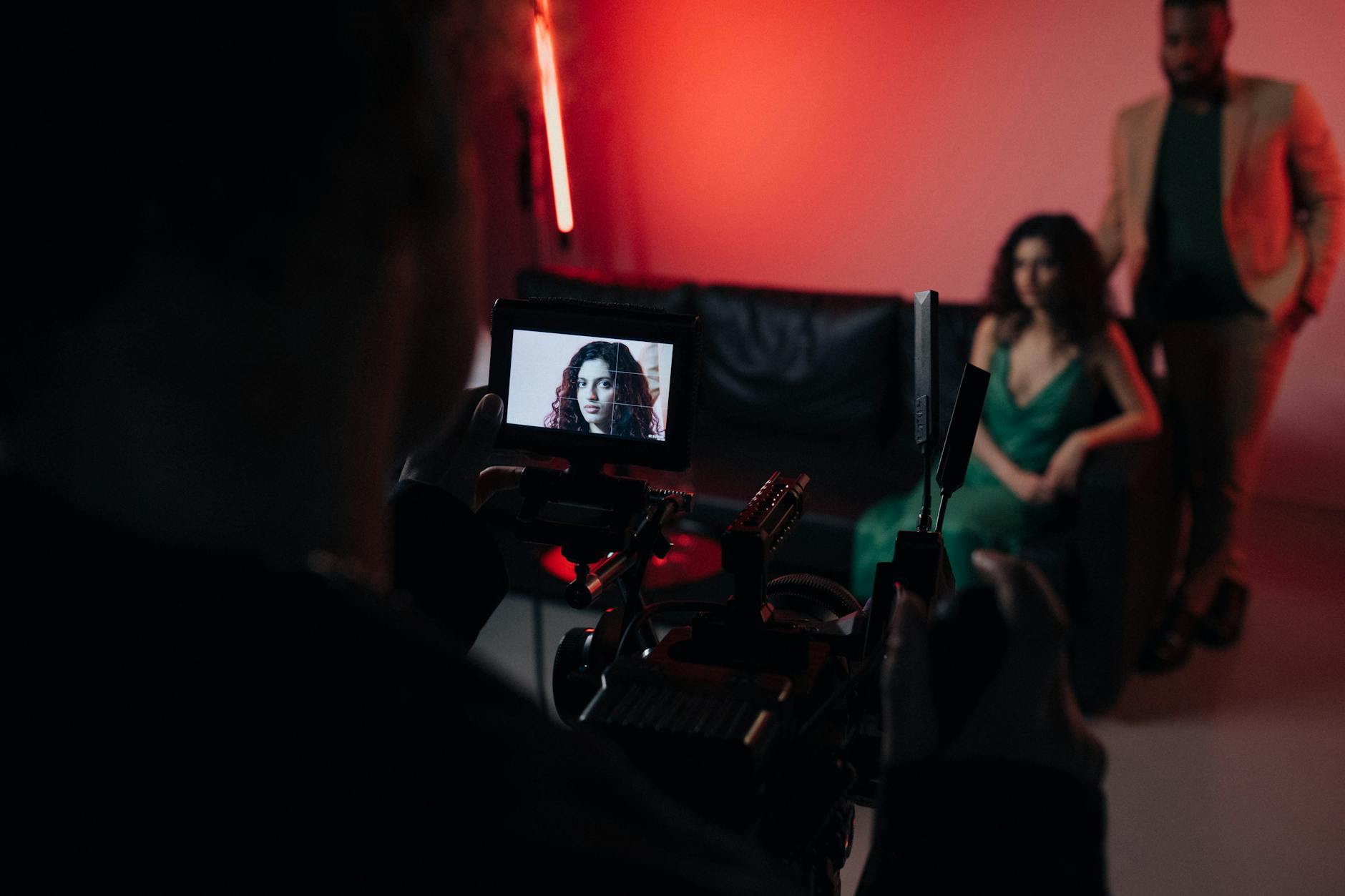
Beyond technical considerations, the storytelling aspect is fundamental. Structuring interviews with open-ended questions allows clients to share detailed, authentic narratives. The production team must also focus on framing, employing close-ups during emotional moments and medium shots during conversational exchanges to foster audience connection. Backgrounds should be uncluttered and relevant, reinforcing the message without distraction, while B-roll footage can complement the narrative by illustrating key points, such as product use or service scenes.
Sound quality is paramount; capturing clear audio with lavalier or shotgun microphones and monitoring sound levels during filming prevents distractions caused by background noise or inconsistent volume. Post-filming, editing techniques refine raw footage, removing redundancies and emphasizing impactful segments. Color correction and audio editing balance visuals and sound, while graphics and overlays subtly reinforce branding and key messages. Transition effects and background music, when used judiciously, elevate the overall professionalism without compromising authenticity.
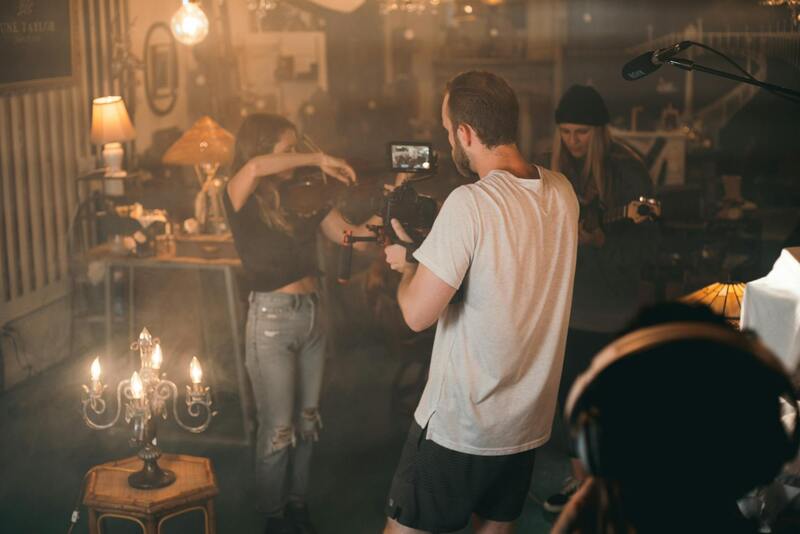
Overall, the goal of testimonial video production is to craft a genuine, engaging story that builds trust and encourages prospective clients to take action. Attention to detail from pre-production planning through final edits ensures the final product delivers maximum impact—making it an invaluable component of any comprehensive marketing strategy.
Key Elements of an Effective Testimonial Video
Creating a testimonial video that resonates with viewers requires meticulous attention to several core components. The authenticity of the story forms the foundation of an impactful testimonial. Real clients sharing their genuine experiences foster trust and establish credibility, which are vital in influencing prospective customers. Clear messaging is equally crucial; the video should communicate specific benefits and solutions provided by the product or service without ambiguity. Professionals develop guiding questions that elicit detailed narratives, ensuring that key value propositions are highlighted seamlessly. Visual quality also plays a significant role. High-resolution footage ensures the audience remains engaged and perceives the business as professional and credible. Proper lighting, framing, and color grading contribute to a polished look that enhances viewer perception. Additionally, compelling calls to action or closing statements should be woven naturally into the narrative, encouraging viewers to learn more, contact the business, or make a purchase.
- Authentic storytelling that reflects real client experiences
- Clear and focused messaging
- Professional visual presentation
- Well-crafted calls to action
Production Tips for Creating High-Quality Testimonials
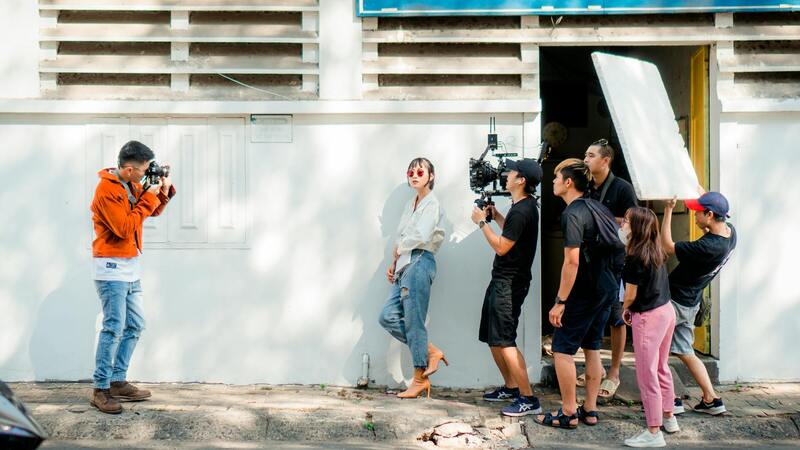
Achieving a high standard in testimonial video production requires strategic planning and technical expertise. Prioritize setting up a comfortable environment to help clients relax; authenticity relies heavily on the client’s ease and honesty. Use quality equipment for recording, such as lavalier microphones for clear audio and professional cameras for sharp visuals. Lighting setups should accentuate facial expressions, especially when capturing emotional responses, which often translate to a stronger connection with viewers. Effective framing and composition can enhance the storytelling, guiding viewers’ attention to key expressions and gestures. When conducting interviews, employ open-ended questions to encourage clients to share their stories freely, resulting in richer, more engaging content. B-roll footage can be integrated to add context, such as showing the client interacting with products or utilizing services, enriching the narrative. Consistency in style and tone throughout the video helps maintain a cohesive message. During filming, monitor sound levels and framing continuously to prevent technical issues from detracting from the message. Post-filming, use editing software to trim redundancies, correct colors, and balance audio, ensuring the final product looks and sounds professional. Subtle graphics and branding elements reinforce the business’s identity without overwhelming the viewer.
Production Tips for Creating High-Quality Testimonials
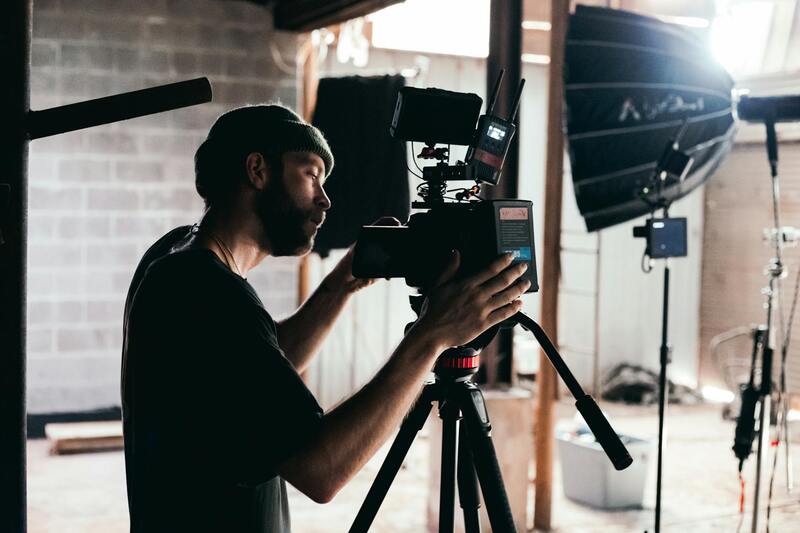
Achieving a polished and compelling testimonial video hinges on meticulous attention to production details. High-quality filming techniques form the backbone of an impactful narrative. Selecting the right equipment, such as professional-grade cameras capable of capturing sharp visuals, ensures clarity and detail that resonate with viewers. Employing stabilizers or tripods prevents shaky footage, enhancing overall professionalism.
Lighting plays a crucial role in setting the tone and mood of the testimonial. Opt for soft, diffused lighting to minimize shadows and highlight the client's facial expressions naturally. When filming in indoor environments, use key lights and fill lights to create balanced illumination that complements the subject's features. For outdoor shoots, consider the time of day; golden hour lighting offers a warm, appealing glow.
Clear and consistent audio quality is vital, as viewers are highly sensitive to poor sound. Utilize lavalier microphones or shotgun mics to capture conversational clarity. Conduct sound checks beforehand to avoid issues like background noise or uneven volume levels. Monitoring audio levels during recording helps maintain consistency, preventing distractions during editing.
Interview strategy greatly influences the authenticity and engagement of the testimonial. Frame questions to evoke personal stories and genuine emotions. Encourage clients to speak freely and share specific experiences. Position the camera at eye level to establish a direct connection with viewers, fostering trust and relatability.
Understanding Testimonial Video Production
Creating impactful testimonial videos involves a structured approach that ensures authenticity, clarity, and engagement. The process begins with comprehensive planning, where the narrative is crafted to highlight the customer's genuine experience with the product or service. Selecting the right participants who are articulate and comfortable sharing their stories is crucial in capturing sincere feedback.
Pre-production also requires logistical arrangements, including setting up appropriate locations that reflect the brand's environment. This might involve filming in the client's workspace, at their home, or in a professional studio, depending on the tone and message. Proper lighting setups are essential to enhance visual clarity and create an inviting atmosphere. Coffee table-style interviews, dynamic cutaway shots, and contextual b-roll footage form the foundation of a compelling testimonial video.
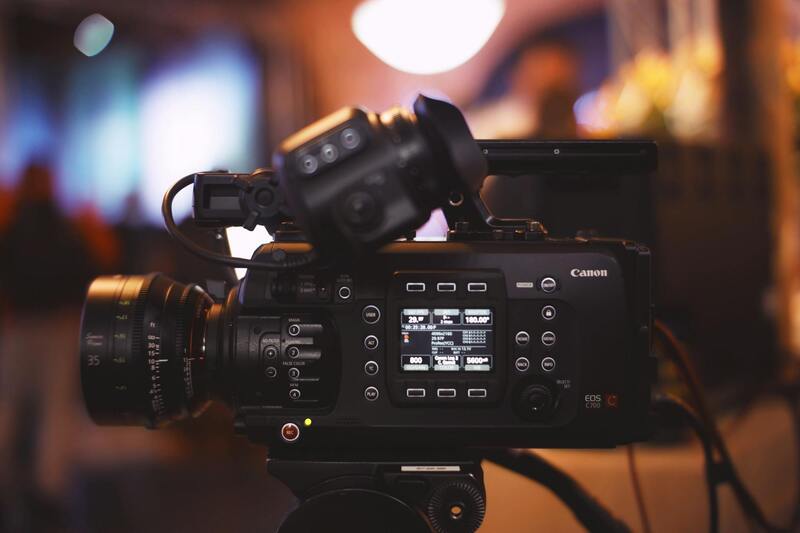
Investing in quality equipment is non-negotiable to achieve professional results. Cameras capable of recording in high resolution, mixed with good lighting, produce sharp, vibrant visuals that help viewers connect more deeply with the story. Likewise, crisp audio capture using lapel or shotgun microphones ensures the testimonial is easily understandable without distractions caused by background noise or poor sound fidelity. To maximize editing efficiency, filmmakers often conduct tests beforehand, verifying the equipment’s performance across different environments.
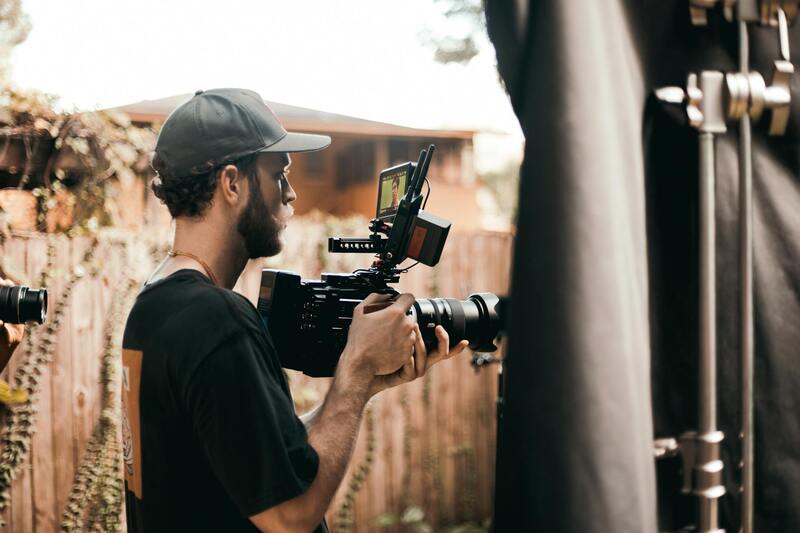
Throughout filming, directors aim to foster a comfortable environment where clients feel natural and unforced. Encouraging spontaneous conversation and asking open-ended questions often reveal personal stories that add authenticity. The interview setting should feel informal yet professional, with framing that emphasizes the speaker’s eye contact and facial expressions, fostering trust and rapport.
Technical Focus During Production
- Lighting: Adjust lighting to eliminate harsh shadows and ensure the subject is well-lit, with soft, even illumination that flatters facial features.
- Audio: Use directional microphones to minimize ambient noise, and monitor sound levels continuously to prevent distortion or dropouts.
- Framing: Position the camera at eye level, framing the client slightly off-center to create visual interest and maintain focus on their expressions.
Post-production strategies are equally important in shaping the testimonial into an impactful storytelling piece. Carefully editing footage removes redundancies and enhances narrative flow. Incorporating branding elements, such as logos and color schemes, maintains consistency with marketing efforts. B-roll footage can be inserted to provide context, support key points, and introduce visual variety, making the video more engaging.
Editing also involves refining audio for clarity, adjusting color grading to match branding aesthetics, and adding captions or subtitles to improve accessibility. Optimizing these videos for multiple platforms ensures they perform well on websites, social media, and other digital channels, reaching a broader audience effectively.
Production Tips for Creating High-Quality Testimonials
Creating compelling testimonial videos requires attention to both technical details and storytelling finesse. Ensuring high production quality significantly enhances the perceived authenticity and professionalism of the testimonial, encouraging viewer trust and engagement.
Establishing a Comfortable Interview Environment
A relaxed setting helps interviewees share genuine insights. Choose a quiet, well-lit space with minimal background noise. Start with casual conversations to establish rapport, making the subject comfortable before recording. This approach often results in more authentic responses that resonate with viewers.
Guided but Flexible Questioning
- Prepare open-ended questions that encourage storytelling and detailed responses.
- Avoid scripted or leading questions that may feel rehearsed.
- Allow the interviewee to guide parts of the conversation to capture spontaneous, heartfelt insights.
Maintaining Visual Consistency
Use a stable camera setup with consistent framing. Position the camera at eye level to create a natural connection between the subject and the viewer. Incorporate multiple angles if possible, such as close-ups and wider shots, to add visual interest during editing.
Enhancing Audio Quality
Utilize directional microphones, like lapel or shotgun mics, to focus on the interviewee’s voice and reduce ambient noise. Conduct sound checks before recording to ensure clarity. Consistent audio levels prevent distracting volume fluctuations and improve overall professionalism.
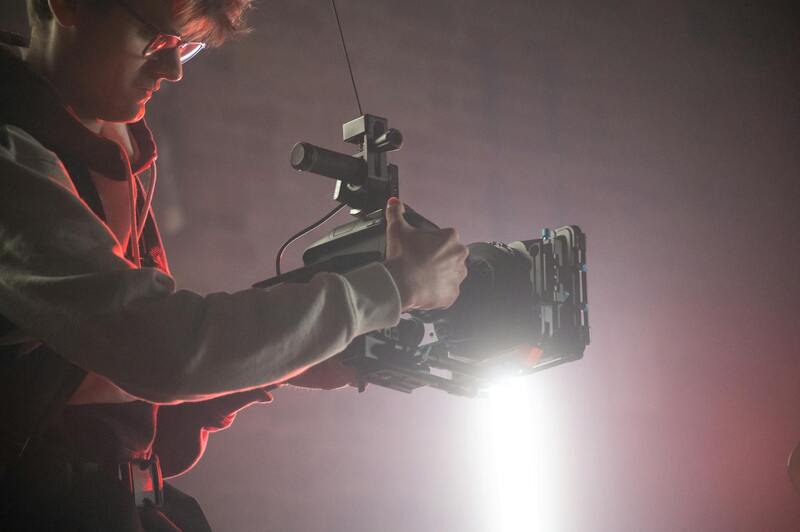
Post-Production Optimization
Careful editing refines the storytelling flow, removes redundancies, and emphasizes key messages. Incorporate branding elements, such as logos and color schemes, to align with overall marketing strategies. Use B-roll footage to highlight context, demonstrate product use, or showcase additional benefits.
- Perform color grading to match your brand aesthetic.
- Add captions or subtitles to increase accessibility and viewer retention.
- Ensure audio is clean, balanced, and free of background noise.
- Optimize the final video size and format for seamless playback across various platforms.
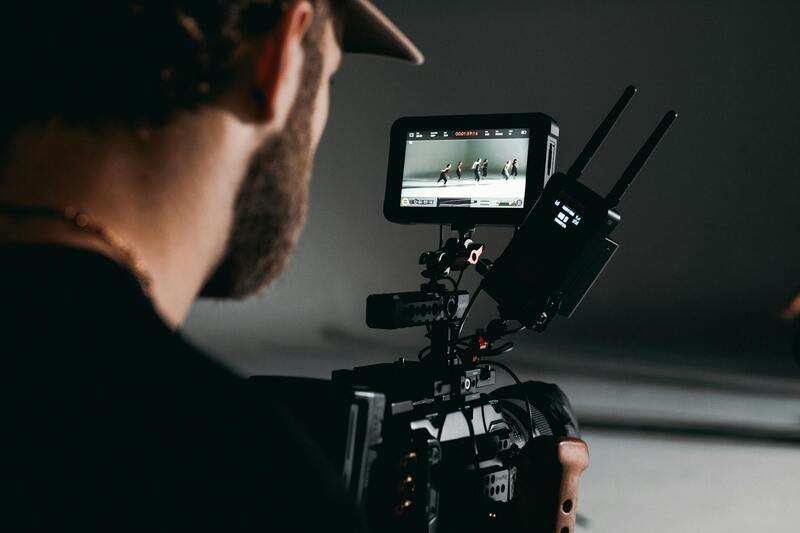
High-quality production techniques serve as a foundation for creating trustworthy and engaging testimonial videos. Attention to detail during filming and editing ultimately influences the effectiveness of your marketing efforts, helping your brand connect authentically with your audience across multiple channels.
Distributing and Promoting Testimonial Videos
Effective distribution and promotion of testimonial videos are crucial steps in maximizing their impact on your target audience. Once the high-quality testimonial has been produced and polished through meticulous editing, the focus shifts to ensuring it reaches potential customers across the most appropriate channels. This involves a strategic approach to leverage various platforms and methods that align with your business goals and audience preferences.
Choosing the Right Platforms
To effectively showcase testimonial videos, selecting platforms that resonate with your demographic is essential. These include social media networks such as Facebook, Instagram, LinkedIn, and Twitter, where visual content typically garners high engagement. Additionally, embedding videos on your company website and landing pages ensures visitors can easily access authentic customer experiences. YouTube remains a central hub for video content, allowing for wider dissemination and organic search visibility through optimized titles, descriptions, and tags.
Utilizing Email Marketing
Incorporating testimonial videos within email marketing campaigns provides a direct and personalized touchpoint with existing and prospective customers. Embedding videos into newsletters or promotional emails can significantly enhance click-through rates and engagement. Highlighting customer success stories in email content enables your audience to relate and build trust in your brand’s offerings.
Embedding Testimonials in Your Website
Strategic placement of testimonial videos on key website pages, such as homepage, product pages, or dedicated testimonials sections, can reinforce your value proposition. This placement ensures visitors see authentic feedback in real-time, influencing their purchasing decisions. Additionally, hosting videos on dedicated landing pages allows for a focused narrative that guides users toward specific calls to action, such as signing up for a trial or contacting your sales team.
Harnessing Social Media Advertising
- Targeted Campaigns: Use social media advertising features to reach audiences based on demographics, interests, and behaviors, ensuring your testimonial videos are seen by those most likely to engage with your brand.
- Video Ads: Create short, compelling clips derived from longer testimonials to serve as advertisements that capture attention quickly.
- Boosted Posts: Promote high-performing organic testimonial videos to increase their visibility among broader audiences.
Employing Video Optimization Techniques
To improve organic discoverability, optimize your testimonial videos for search engines by incorporating relevant keywords into titles, descriptions, and tags. Adding accurate captions and transcripts also enhances accessibility and allows content to be understood without sound, increasing engagement across silent viewers. Clear calls-to-action within the video or its accompanying description guide viewers toward further interaction, such as visiting your website or contacting your sales team.
Measuring Campaign Effectiveness
Monitoring the performance of testimonial videos involves tracking various metrics, including view counts, engagement rates, and conversion rates. Utilizing analytics tools helps identify which videos resonate most with your audience, guiding future content creation and distribution strategies. Metrics such as click-through rates, time spent watching, and shareability can provide insights into how well your testimonial videos influence viewer perceptions and actions. These insights support data-driven adjustments to your promotional efforts, ensuring sustained engagement and return on investment.