
Updated: September 18, 2026
Voiceover for a Miami video: casting the voice, recording it well and fitting it to the picture
A voiceover is the fastest way to give a video a point of view, and the fastest way to make it sound like every other corporate video. The difference is in decisions that are usually made in a hurry at the end of the edit: who reads it, how it is recorded, how it is directed, and how the edit is built around it rather than the words being laid on top afterwards. This guide covers the voiceover process in post for a Miami production: writing for the ear, casting and the sources of voice talent, remote versus studio recording, directing a session, the audio treatment, and timing the read to the cut so that the picture and the words arrive together.
Writing for a voice, not a page
Scripts written to be read silently sound wrong out loud. Before casting, the voiceover script gets a pass for the ear: shorter sentences, contractions, no lists of more than three, numbers written as they are spoken, brand names with pronunciation notes, and a reading time checked against the cut. A useful rule for English is about 150 words per minute for a measured corporate read and up to 180 for an energetic one; a 90-second video holds 200 to 240 words, not the 350 in the first draft. Spanish runs longer for the same content, which matters if the same cut needs both languages; the options for that are in our note on making the Spanish version in post. Read the script aloud with a stopwatch against the picture before it goes to the voice; that ten minutes saves a re-record.
Casting the voice
The brief for a voice is written in the same terms as any casting brief: gender, age range, accent and region, energy, and two or three reference reads the client likes. Miami-specific considerations: whether a neutral American read or a recognisably local voice serves the brand; whether the Spanish version needs a neutral Latin American Spanish, a Caribbean or a Mexican register, or a Castilian one; and whether the same person should voice both languages (rarely ideal; a bilingual voice with a native accent in one language usually has a trace in the other).
- Casting sites and pay-to-play platforms give hundreds of auditions in a day at a range of rates; quality varies and the producer does the filtering.
- Talent agencies in Miami and the major markets represent professional voice actors, quote usage-based rates and handle the paperwork; the better route for broadcast or a long-running campaign.
- Union voice talent (SAG-AFTRA) for broadcast commercials, with the rates and usage terms that go with it.
- The client's own people for internal video and some brand pieces, when the authenticity matters more than the polish; needs more direction and more editing.
- Synthetic voices exist and are improving; they are acceptable for some internal, high-volume or draft uses, and the client should decide knowingly, with the licensing and the disclosure questions answered, rather than discover it in the final.
Ask for a short custom audition of the actual script, not a demo reel, from the final two or three candidates. A voice that is perfect on a reel can be wrong for this copy.
Usage, rates and rights
Voiceover is priced by usage as much as by time. A read for an internal training video and the same read for a national broadcast commercial are different fees, and the difference is written into the agreement as the media, territory and term. Get the usage right at the brief stage, ask for a buyout where the client wants unlimited use, and keep the agreement with the project files. Pricing for the edit side is covered in our note on what drives video editing pricing; the voice is a separate line and should be quoted as one.
Remote or studio
| Option | How it works | Best for | Watch for |
|---|---|---|---|
| Studio session in Miami | Voice, director and engineer in a treated room; client can attend or dial in | Broadcast, brand campaigns, anything with a demanding read | Cost and scheduling; worth it when the read carries the piece |
| Remote session, source-connect or similar | Voice records in their own booth; director listens live over a high-quality link and gives notes | Most corporate and commercial work; access to talent anywhere | Talent's room and microphone quality; ask for a test file first |
| Self-directed remote | Voice records alone from written direction and sends files | Short, simple reads; budget work; quick pickups | No live direction means more rounds; give a detailed brief and reference |
| Client's own speaker | Recorded in a studio or on location with a producer directing | Executive messages, founder stories | Schedule time; non-professionals need multiple takes and patience |
Whatever the route, the deliverable is the same: uncompressed WAV at 48 kHz, 24-bit, dry (no processing), with every take and a slate, plus a marked-up script noting which takes the director preferred.
Directing the session
A voiceover session is directed, not just recorded. The director, usually the producer or the editor, plays the cut for the voice first, explains who is speaking and to whom, gives one reference for tone, and then records the whole script in a few full passes before picking at lines. Notes are specific ("warmer on the second sentence, and a beat before the product name") rather than general ("more energy"). Alternative reads of key lines (three versions of the opening, two of the call to action) are cheap in the session and expensive to go back for. And the director watches the clock against the cut: a read that runs long is fixed in the booth by pace, not in the edit by speeding it up.
Treatment and fitting to the picture
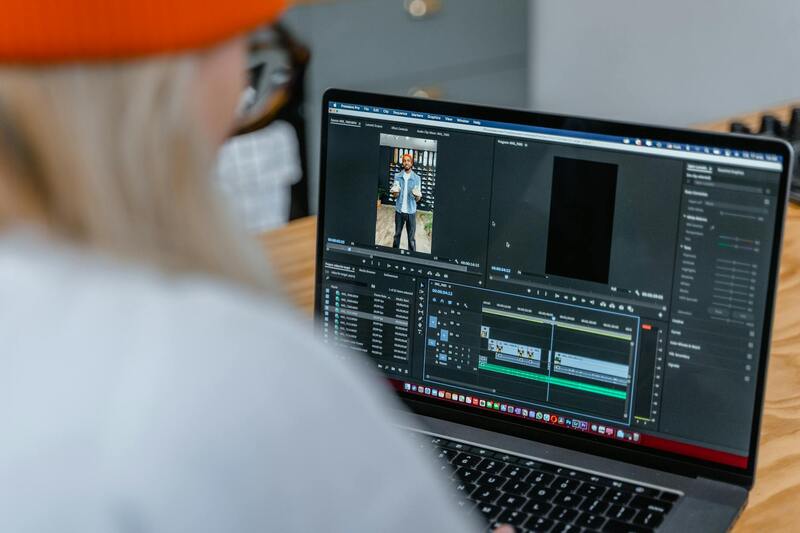
The audio post steps are the ones described in our guide to audio post, dialogue cleanup and loudness: noise and breath control, de-essing, a gentle EQ, compression that keeps the read consistent, and a level that sits with the music and the location sound at the loudness target for the platform. What is specific to voiceover is the fit. The editor cuts the read into phrases and places each one against the picture it refers to, trims the pauses so the visual change lands on the word, and adjusts the picture edit where the read cannot move. The best results come when the read is recorded before picture lock, so that the cut can be tightened to the voice rather than the voice squeezed into the cut. A scratch read by the editor, recorded on a laptop against the rough cut, tells everyone what the timing needs before the real session is booked.
Voiceover through our post team
We handle voiceover as part of the edit in Miami: a script pass for the ear with a timed read against the cut, a casting brief with custom auditions from agency, platform or union talent in English and Spanish, usage agreements written for the client's actual use, remote directed sessions or a studio booking in Miami, direction by the editor who is cutting the piece, and audio post and fitting in the same suite. Scratch reads are part of the rough cut so timing is settled before the session. If your video needs a voice, tell us the audience, the platforms and the languages and we will send a casting brief and two or three voices to hear; start on the contact page, and the rest of our post-production work is on the about page.