
Updated: September 14, 2026
From raw footage to final cut: a video editing workflow that delivers
Every good Miami video hides a boring truth: the shoot is maybe a third of the work. What turns a hard drive full of clips into something a client wants to publish is the video editing workflow that comes after. A repeatable post-production process is the difference between an edit that lands on time and one that drifts through endless revisions. This is how a professional video editor in Miami moves raw footage through each stage without losing the plot, the schedule, or the client's patience.
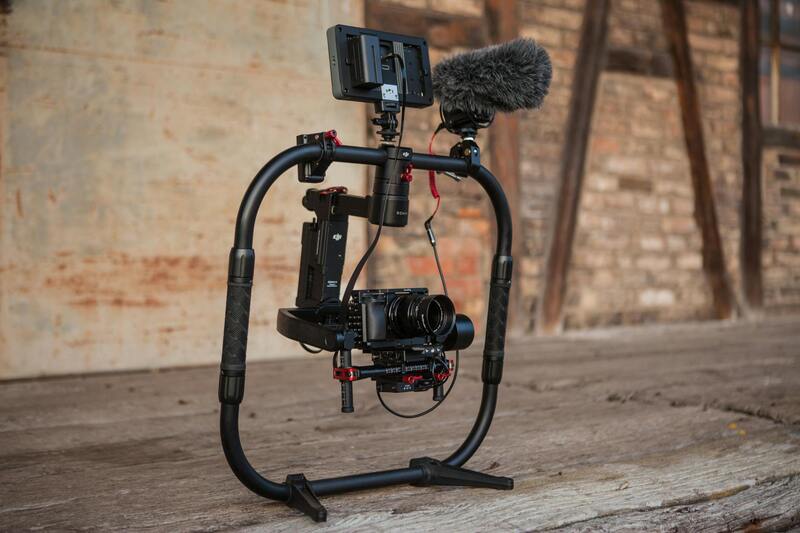
Start by organizing the footage before you begin any editing.
The first step in editing raw footage is not editing at all; it is organizing. A day of interviews combined with B-roll can generate hundreds of gigabytes of data across several cameras and audio recorders. Before making any cuts, a careful editor will copy all the footage to at least two drives, verify the transfer, and create a folder structure that a stranger could easily navigate. Separate bins are used for A-cam, B-cam, audio, graphics, and stock footage.
Once the media is deemed safe, the editor logs and labels it. High-quality selects, meaning the takes that are actually worth using, are flagged. Lower-quality takes are set aside but never deleted. For longer projects, an editor transcribes interviews so that quotes can be found by reading rather than scrubbing through the audio. Skipping this step may feel faster for the first hour, but it costs a full day later when nobody can find the one line that the client keeps asking about.
Sync, then set the foundation
Multi-source shoots require syncing. Timecode or a simple clap can align every camera angle and external audio. This ensures the editor can cut against clean sound instead of the tinny scratch track from the camera mic. With media organized and synced, the timeline is finally ready for a real edit.
The four cuts every edit passes through
Most Miami video editing processes follow a similar progression from rough to polished. Identifying the stages helps keep a client's feedback focused on the right aspects at the right time.
- Assembly edit: the raw skeleton. Selected takes dropped in order with no finesse, just to see the shape and rough length of the story.
- Rough cut: the assembly tightened into something watchable. Pacing gets real, dead air comes out, and the narrative starts to hold together. This is where most feedback rounds happen.
- Fine cut: frame-accurate trims, considered transitions, and the first pass of on-screen text. Timing feels intentional now.
- Picture lock: the edit is approved and no more cuts will move. Only after lock do color, sound, and graphics get finished, because changing the edit afterward means redoing that work.
The reason picture lock matters so much comes down to the order of operations. Grading a shot and then cutting three seconds off it wastes the grading effort. By locking the story first, it protects every hour spent on finishing the project.
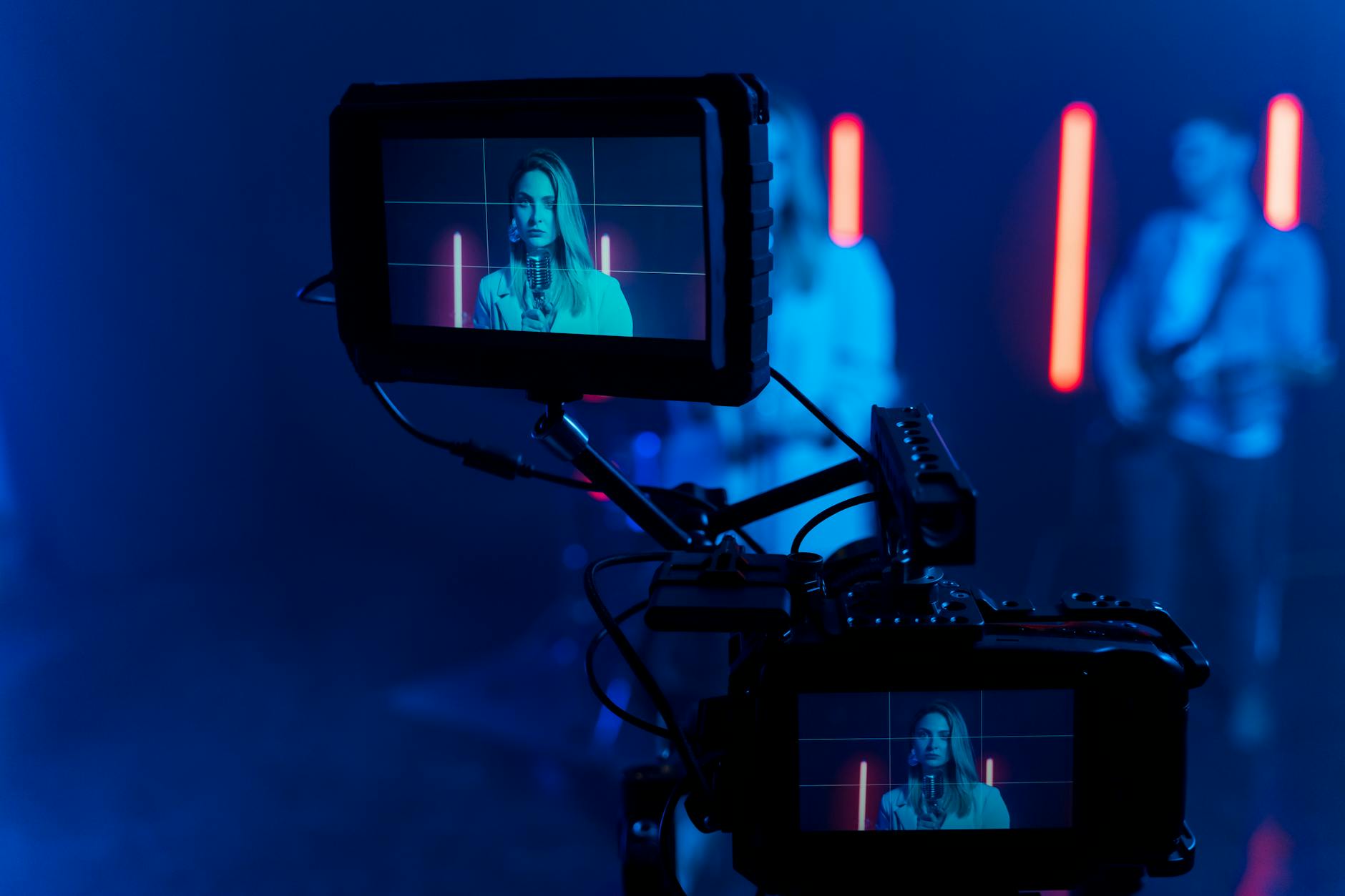
Finishing: where the edits transform into a professional video.
After lock, the project moves into the finishing stages that most viewers feel but cannot name. Color correction balances exposure and white balance across shots so a sequence looks like it belongs together, and a creative grade sets the mood. Audio is mixed so dialogue sits clearly above music and the levels stay consistent, which matters more to a viewer than almost any visual choice. Titles, lower thirds, and animated elements get built and placed. Captions are added so the video works on a muted phone feed. Each of these is its own craft, and each depends on the edit underneath being final.
If you want to go deeper on any of these stages, our team has written practical guides on color grading for Miami video, on sound design that makes a video feel professional, and on captions and subtitling for every platform.
Feedback that keeps the workflow moving
Revisions are normal, but vague revisions are problematic. The most useful client notes include a timestamp and describe the goal rather than the specific fix. For example, "The intro feels slow around 0:15" is more helpful than "make it pop.
Working with a Miami video editing team
You can run this workflow in-house, but the reason businesses hand it to a dedicated editor is time and consistency. A working editing suite already has the calibrated monitors, the storage, and the software licenses, and an experienced editor has cut enough interviews, event recaps, and brand videos to know where a story usually sags and how to fix it fast. That experience shows up as fewer revision rounds and a finish that holds up on a broadcast screen and a phone alike.
At Miami Video Services we take in your footage, apply the full post-production process described here, and hand back files ready for wherever they need to go. We are comfortable with multi-camera event recordings, corporate interviews, social cutdowns, and long-form storytelling, and we scope every project with a clear number of revision rounds so the schedule stays honest. If you have raw footage sitting on a drive and no time to shape it, that is exactly the work we do.
Browse more post-production topics on our video editing blog, learn how we work on the about page, or send us your project details through contact and we will map out a workflow and timeline for it.
The duration of an edit and the factors that influence the schedule are important considerations.
The most common question a client asks is how long the edit will take, and the honest answer depends on a handful of factors rather than a flat number. The volume of raw footage matters, because an editor has to watch and log all of it before cutting. The number of finished deliverables matters too, since one hero video plus five social cutdowns is more work than a single film. The amount of graphics and motion design, the need for captions in more than one language, and the number of revision rounds all add time.
Roughly, a straightforward interview or event recap can move from footage to final in a week or two. However, a longer story with heavy graphics and several deliverables takes longer. The single biggest variable is feedback speed. An edit can sit idle for days waiting on approval, so the client's turnaround on notes often decides the delivery date as much as the editing itself. Building the schedule around review checkpoints, rather than one big reveal at the end, keeps a project from stalling.
Storage and file handling matter here too. Multi-camera events or high-resolution film shoots generate massive files. Editors often work with proxies, lightweight stand-in copies, that allow for smooth editing. Later, they can relink these proxies to the full-quality footage for the final output. This approach ensures a responsive timeline without compromising the final image quality. It is one of the reasons why a professional editing suite can handle large projects more efficiently than a laptop ever could.
The short version
A reliable edit is not about making a single clever cut, but rather about following a process you can trust. This involves backing up and organizing the footage, syncing the sources, and moving through the editing stages: from assembly to rough cut, to fine cut. Once the picture is locked, the final steps involve adding color correction, sound, and graphics. By following this order on your next Miami video project, the edit stops being a gamble and becomes a schedule you can plan around.