
Updated: October 25, 2026
Multicam editing in Miami: turning several angles into one seamless cut
Multicam editing is the technique of combining footage from multiple cameras into a seamless, engaging final product. This approach is particularly useful for interviews, events, panels, and performances, as it allows for a wider range of coverage and angles. When done well, multicam editing creates a fluid and natural viewing experience that keeps the audience engaged and focused on the content. The goal is to create a video that flows smoothly and naturally, without drawing attention to the editing itself. By carefully selecting and combining shots from different angles, a skilled editor can enhance the storytelling and create a more dynamic and visually interesting final product.
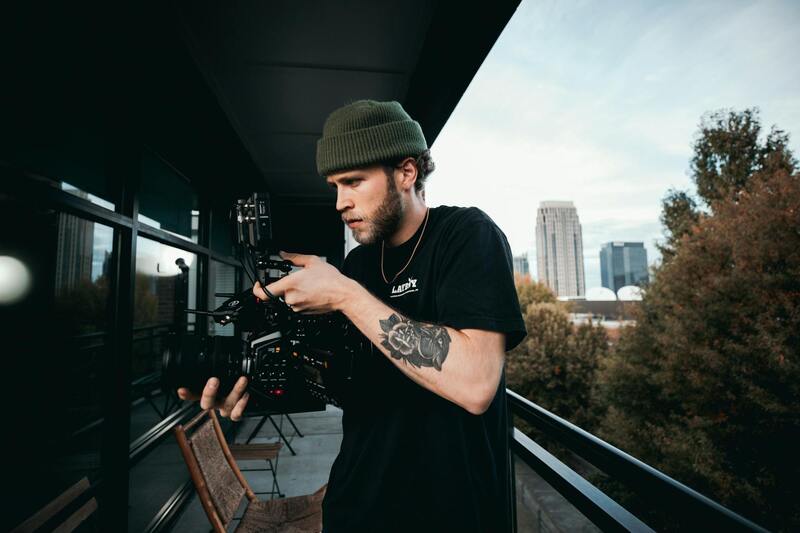
Why shoot with more than one camera
Multicam editing is a powerful tool for achieving great results in video production. It allows for multiple angles to be captured, which can be used to cut away from a stumble during an interview, show a reaction while someone is speaking, or keep energy up during a long presentation. This is especially beneficial for live events that happen only once, as it provides insurance against missing a moment with one camera. However, the trade-off is that all the footage needs to be assembled afterward, and this is where multicam editing shines. With the ability to switch between multiple angles seamlessly, editors can create a more dynamic and engaging final product.
How multicam editing actually works
The process has a rhythm to it, and understanding the steps helps you see why good coverage on set makes the edit faster and cheaper.
Syncing the angles
You've got it right. The first step in editing multi-camera footage is lining up every camera so they play in perfect time. Editors sync using audio cues or visual markers like a clap at the start, ensuring all angles share the same timeline. Achieving clean sync is crucial, as it forms the invisible foundation for the entire edit. Without it, you risk lips drifting out of sync with the sound when cutting between cameras.
Choosing the best angle, moment by moment
With the cameras aligned, the editor moves through the scene deciding which angle tells each beat best. A wide shot to establish the environment, a close-up for an emotional line, a cutaway to a listening face. These choices shape pace and feeling, and they are where an experienced editor separates a lively video from a static one. Consistent settings across cameras, like matching frame rates, keep those cuts smooth.
What good coverage on set gives the edit
The editing room can only work with what the shoot captured. A few habits on set make multicam editing far better.
- Matching camera settings, so angles cut together without a jarring shift in look.
- A clear sync point at the start, which saves the editor real time.
- Genuine angles, since two similar shots give the editor little to work with.
- Clean, consistent audio, usually taken from one reliable source rather than each camera.
This is closely related to how corporate pieces come together in the edit, which we cover in corporate video editing, and it feeds the polished result described in drone footage editing when aerial angles join the mix.
When multicam editing is worth it
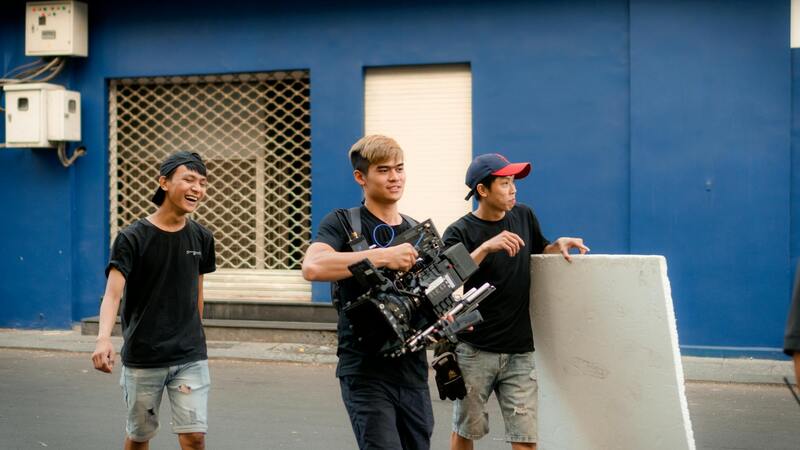
Not every project needs several cameras, and honest advice matters here. A simple talking-head video may be perfectly served by one camera and a tighter budget. But for interviews you want to feel dynamic, events you cannot reshoot, or performances with real energy, multicam coverage and editing lift the finished piece into another class. The decision comes down to the goal, which is exactly the kind of trade-off we help clients weigh, as in our look at hiring an editor versus editing software.
Bring your footage to Miami editors who know multicam
Our editors have the skills to turn multiple camera angles into great video. They sync your cameras precisely, choose the right angle for every moment, and match the look across all shots. Whether you captured an interview, an event, or a performance, we transform piles of footage into one seamless, engaging story.
If you have multicam footage waiting or a shoot coming up, tell us about the project on the contact page, or see how we work on our about page. We will make every angle count.